Global Challenges, Local Responses – Aurin at Classical:NEXT

Global Challenges, Local Responses – Aurin at Classical:NEXT

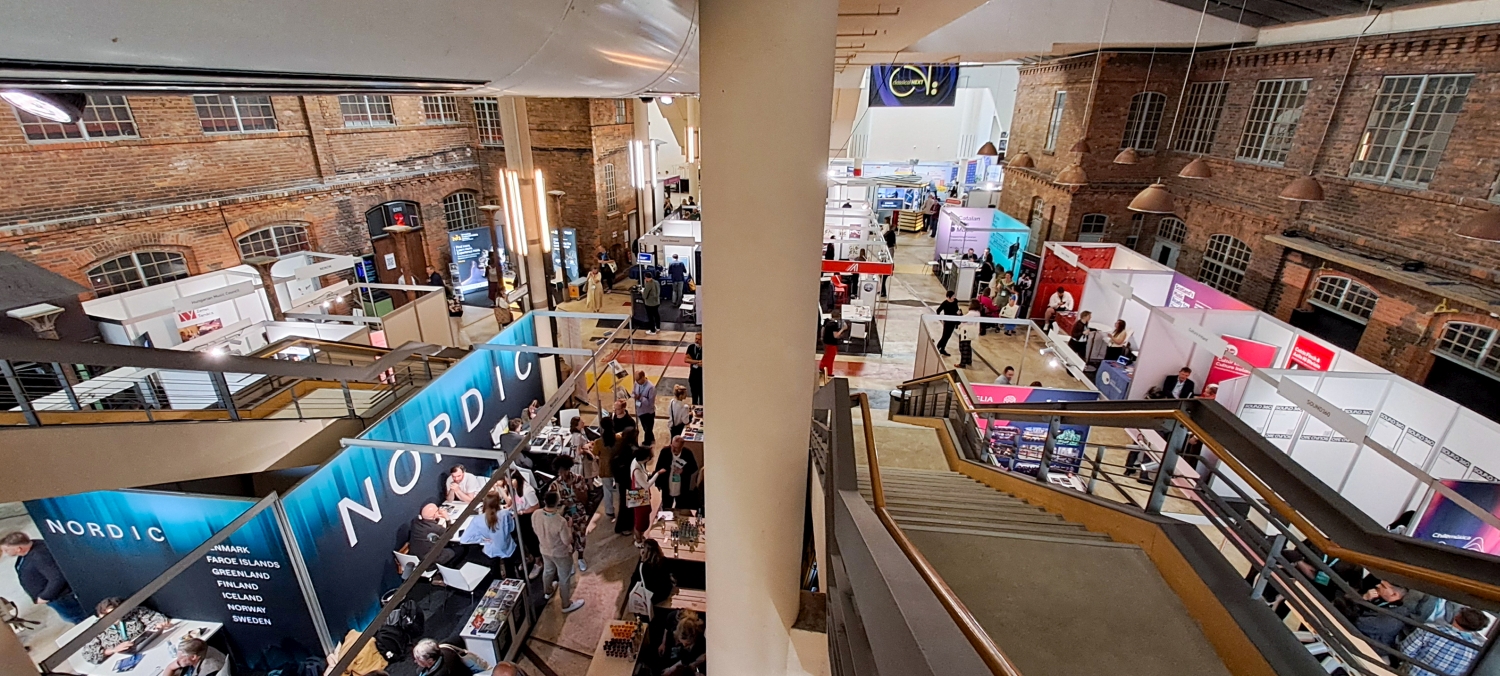
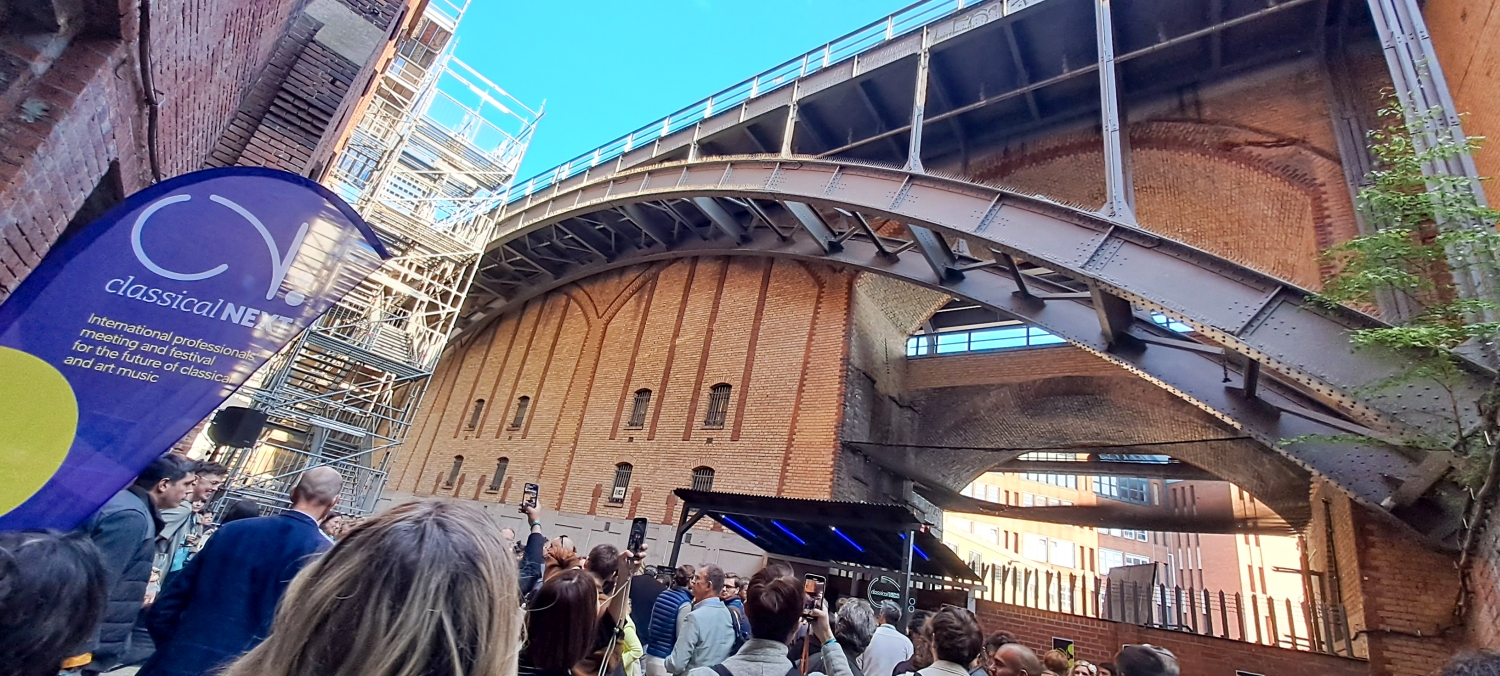
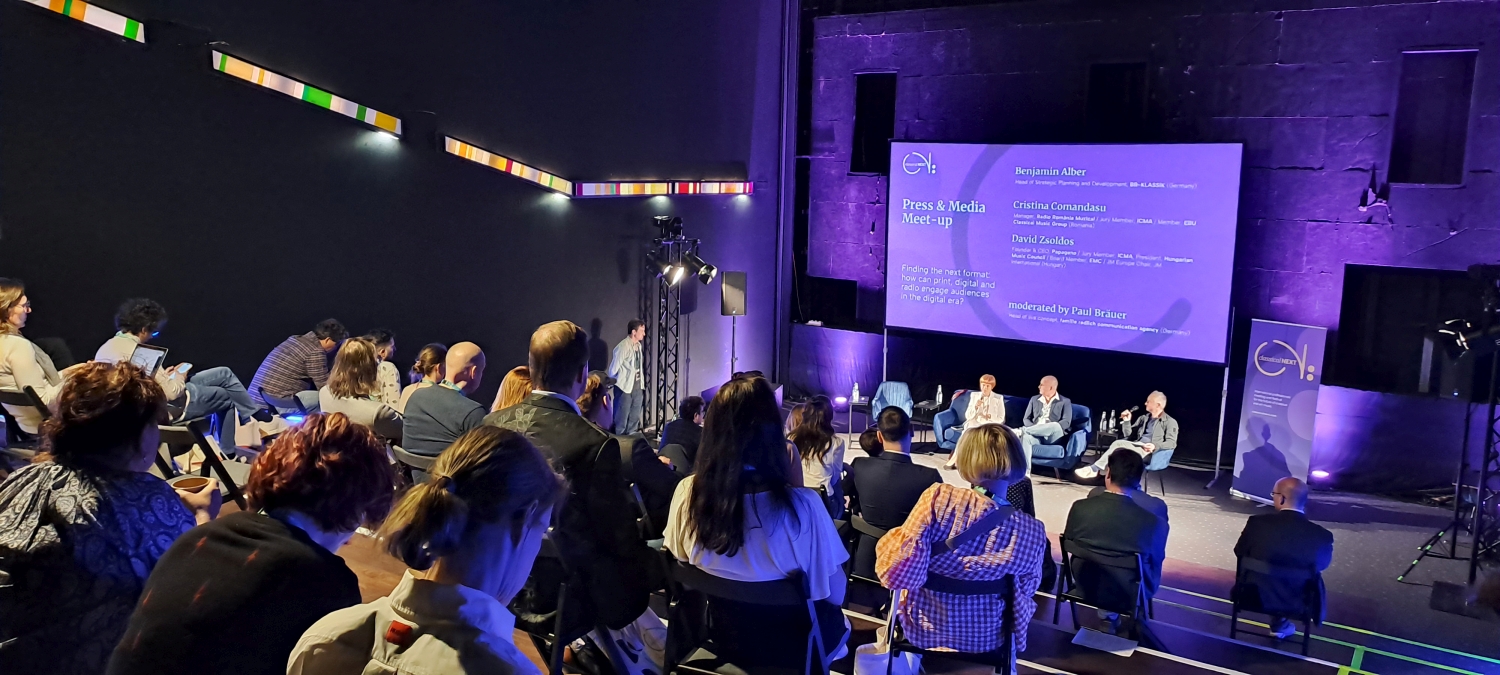
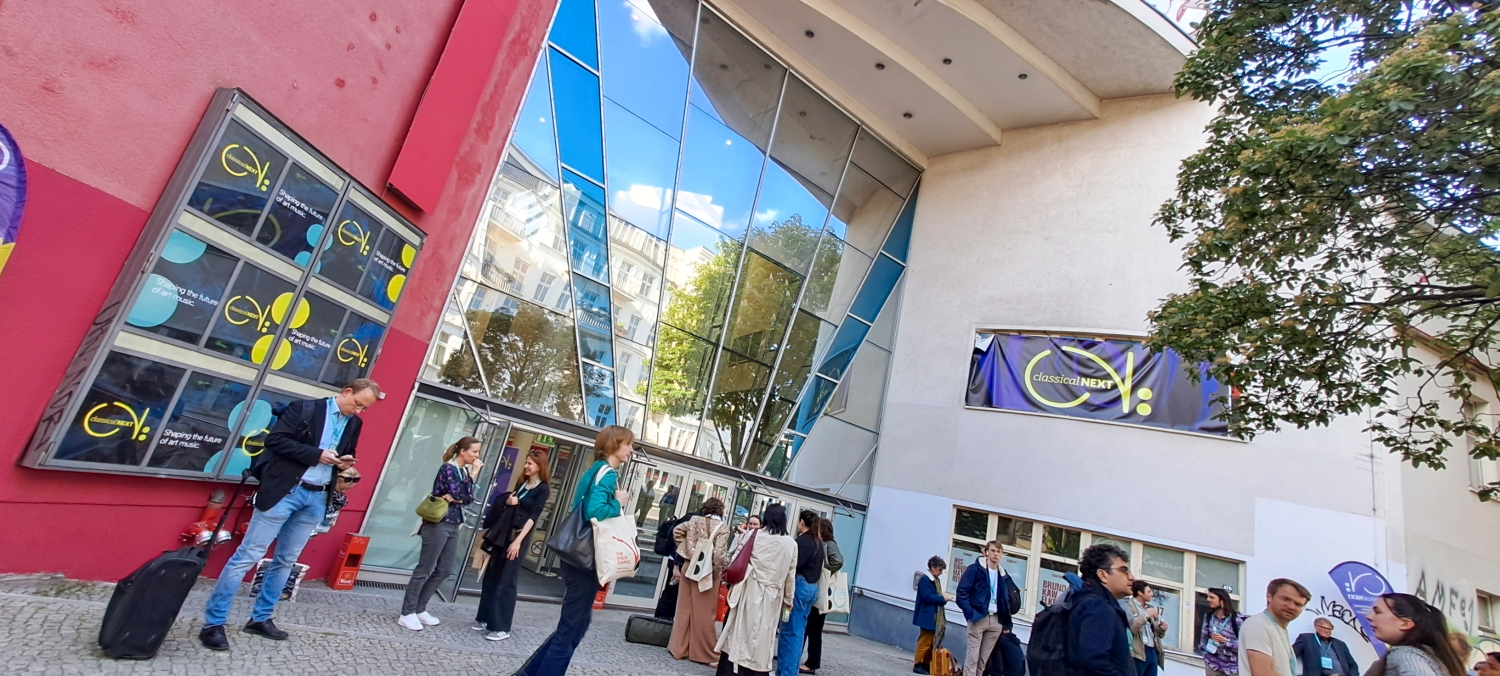
In May 2025, Edit Pálinkás – representing, among others, the Aurin and Miraculum Foundation – attended the Classical:NEXT conference in Berlin, one of the most significant international events in the world of classical music. While the planned choir meet-up was unfortunately cancelled at the last moment, the three-day event still offered a wealth of insightful discussions, workshops, and new connections – including promising conversations with new partners from Hong Kong. The greatest value of our presence wasn’t limited to representing our choirs, but in showcasing the wide-ranging educational and socially impactful work carried out by our foundation.

Interdisciplinarity in practice – Where Ma.Mu and ImMusic meet

One of the most professionally rewarding moments of the conference was an international session with colleagues from Finland and Canada. The focus was on interdisciplinarity and the future of education: how music can support students with learning difficulties, foster inclusive pedagogy, and how artificial intelligence might play a role in shaping educational programs.

During this session, we presented two of our significant projects: Ma.Mu – Math and Music, which develops music-based support tools for children with dyscalculia, and ImMusic, in which we participated as external testers. The latter explores the intercultural and community-building potential of youth engagement through music.

In Ma.Mu, we developed playful music exercises that support mathematical and logical thinking. As a result, we are producing a practical teacher’s manual and downloadable game set, complete with video illustrations. Meanwhile, ImMusic emphasizes music as a form of self-expression and collective experience, especially for young people exploring intercultural sensitivity and connection. Although their target groups and methods differ, both projects demonstrate the transformative power of music in education and social development.

This session sparked not only fruitful exchanges but also laid the groundwork for future collaborations. It felt energizing to discuss the future of music education in a space defined by openness, creativity, and shared responsibility.

Global Concerns – Music on the Margins

Experiences from the conference painted a sobering but reaffirming picture: music education is being sidelined around the world. Funding is shrinking, and educational policies are shifting their focus elsewhere. In many countries, music is still treated as a “nice-to-have” extra rather than a vital tool for cognitive and emotional development. Yet now, more than ever, it is needed.

Key takeaways echoed across several panels:

  • Music can serve as a bridge between societal challenges and education.
  • There is still a lack of methodology and tools to support students with special educational needs through music.
  • The gap between music and other subjects persists, despite the rich opportunities that interdisciplinary collaboration could offer.
  • Parents and policymakers often remain unaware of music’s true value.

As one participant put it: “We must teach the world the value of music before we can hope to change education.”

Familiar sounds in Berlin

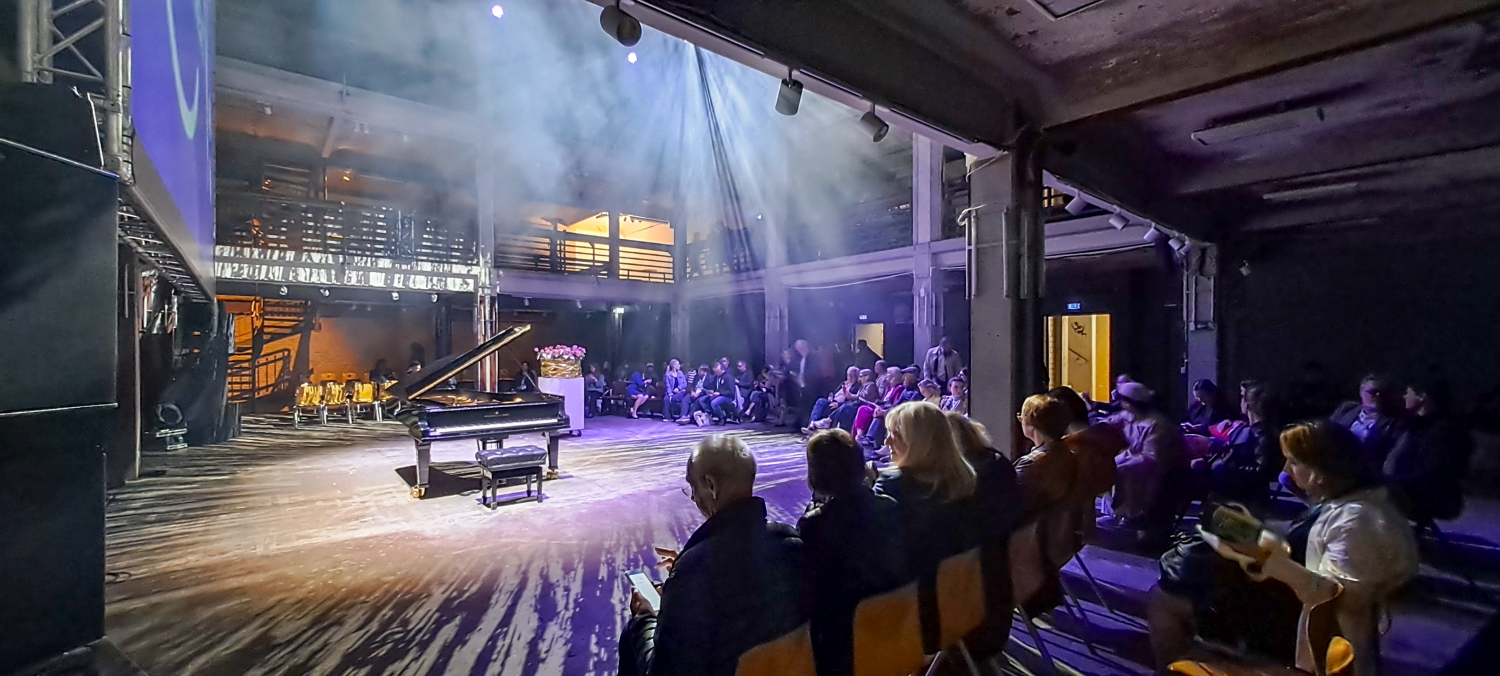
Among the showcase performers were two dear friends, Veronika Harcsa and Anasztázia Razvaljajeva, presenting their new project, Schubert NOW!. In this imaginative reinterpretation, Schubert’s songs were transformed with contemporary improvisation, electronic elements, and the intimate interplay of harp and voice. Their performance was a stunning example of how classical heritage can be reimagined in today’s language. Our conversation even sparked thoughts about future collaboration – a welcome moment of connection with fellow Hungarian artists on the international stage.

Every step counts

The most important message we brought home from Berlin? Every small step matters. We must speak about our work. Share our results. And most of all: persist.

It was uplifting to see how our “small steps” from Kecskemét – including Ma.Mu and other initiatives of the Aurin and Miraculum Foundation – resonated internationally.

See You in Budapest!

In 2026, Classical:NEXT will arrive in Budapest. We’re already preparing – with new plans, new partners, and a firm belief that music not only connects us, but opens up new possibilities in education, in communities, and across the world.
Wrapping Up in Naples – The Closing Chapter of Ma.Mu

Wrapping Up in Naples – The Closing Chapter of Ma.Mu

This May, we met for the final international meeting of the Ma.Mu (Math and Music) project – and where else could we better close such a creative and warm collaboration than in Naples? The Italian partner, Bellezza Dieci, hosted us in their own local style: morning meetings in cafés, fresh croissants, espresso, and a relaxed rhythm that somehow still left room for highly efficient work.

From Hungary, our conductor László Durányik and project manager Edit Pálinkás joined two partners from Italy, two from Greece, and three from North Macedonia for two days of project evaluation, final planning – and yes, a bit of sightseeing too. 

Looking back at what we’ve built

The meeting was more than a summary – it was a celebration of the results. Throughout the last year, we’ve been exploring how music can support children who struggle with dyscalculia – a learning difficulty that affects mathematical understanding. During the meeting, we reviewed and finalised the teaching manual, a resource that now offers practical and accessible music-based exercises for teachers and youth workers.

The manual, written and edited by our Hungarian team with strong contributions from all partners, provides:

  • Easy-to-follow games that combine rhythm, melody, and movement with basic math concepts
  • Guidelines for recognizing dyscalculia and adapting your classroom
  • Specific sections on rhythm and fractions, number sense, repetition, memory training, and pattern recognition
  • Tips for non-musicians to confidently lead activities
  • Printable game materials and diagrams
  • Suggestions for further development

We also finalised our series of videos, which illustrate how the activities can look in practice – these will soon be available for everyone on the official project website. And of course, there are also downloadable game kits that can be used anywhere in the world by teachers who want to bring play and music into their classrooms.

From online to on-the-ground

Looking back, the Ma.Mu project started with online training sessions in spring 2024, but it quickly turned into a real community. We’ve tested our activities with children, discussed results with fellow educators, and most importantly – we’ve learned. About how music can become a bridge between difficulties and solutions. About how mathematical fear can slowly fade when a child hears, sings, claps, or steps a pattern. And about how small ideas, developed with heart and method, can make a difference.

And after the meeting?

In Naples, we also had a chance to discover the city together. We played a team sightseeing game focused on music-related locations, strolled through historic streets, and even enjoyed a day-trip to Sorrento, where we had a surprise reunion with the North Macedonian group. It was a simple reminder: Europe is not that big, and projects like this help build real connections.

What’s next?

We are now waiting for the official publication of the manual, the videos, and the game materials – the Italian team is finalising the project website, and we hope it will soon be available for educators and music lovers across Europe and beyond.

And while this is the final event of this Erasmus+ project, we left Naples with one shared hope: that this is not the end, but the beginning of something more.