Music and mathematics: A creative meeting at the end of the school year

Music and mathematics: A creative meeting at the end of the school year

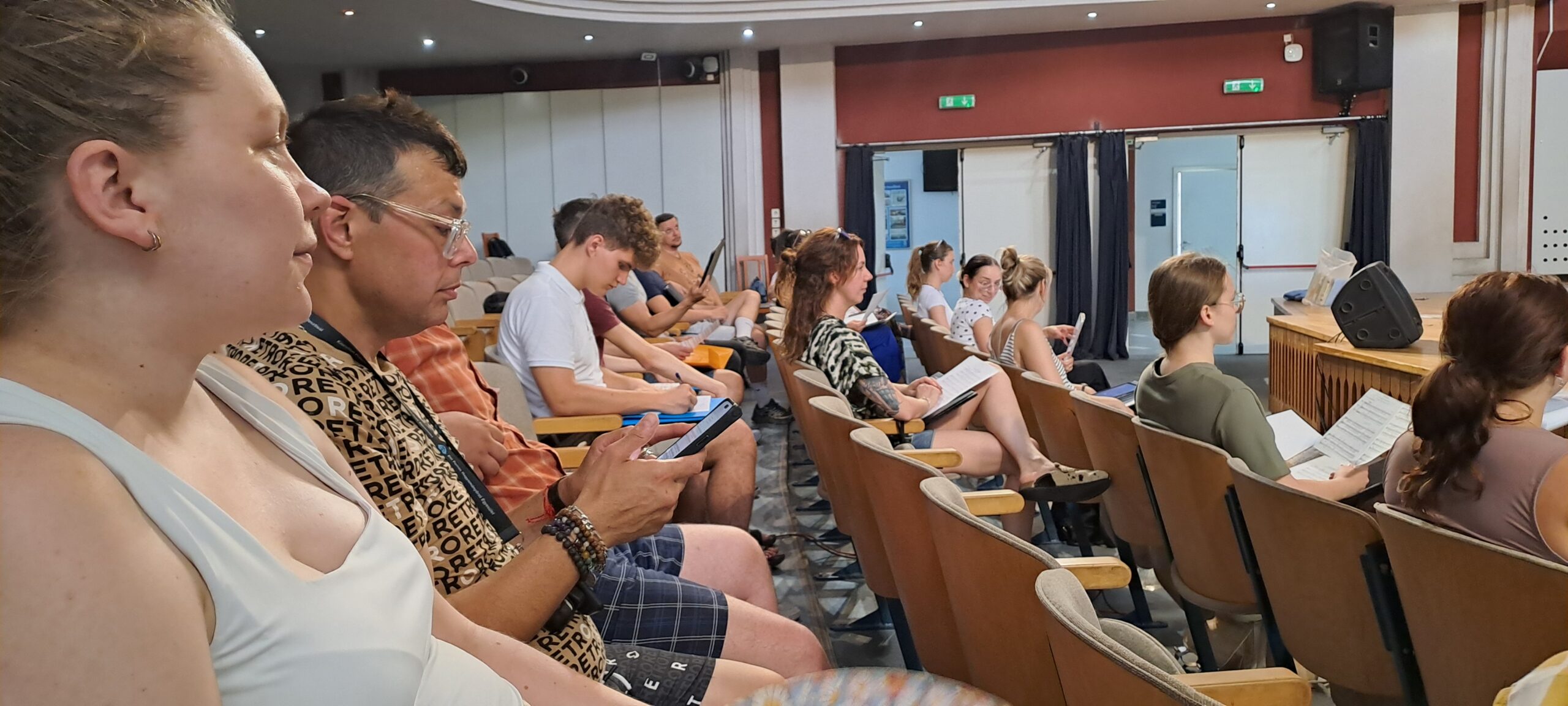
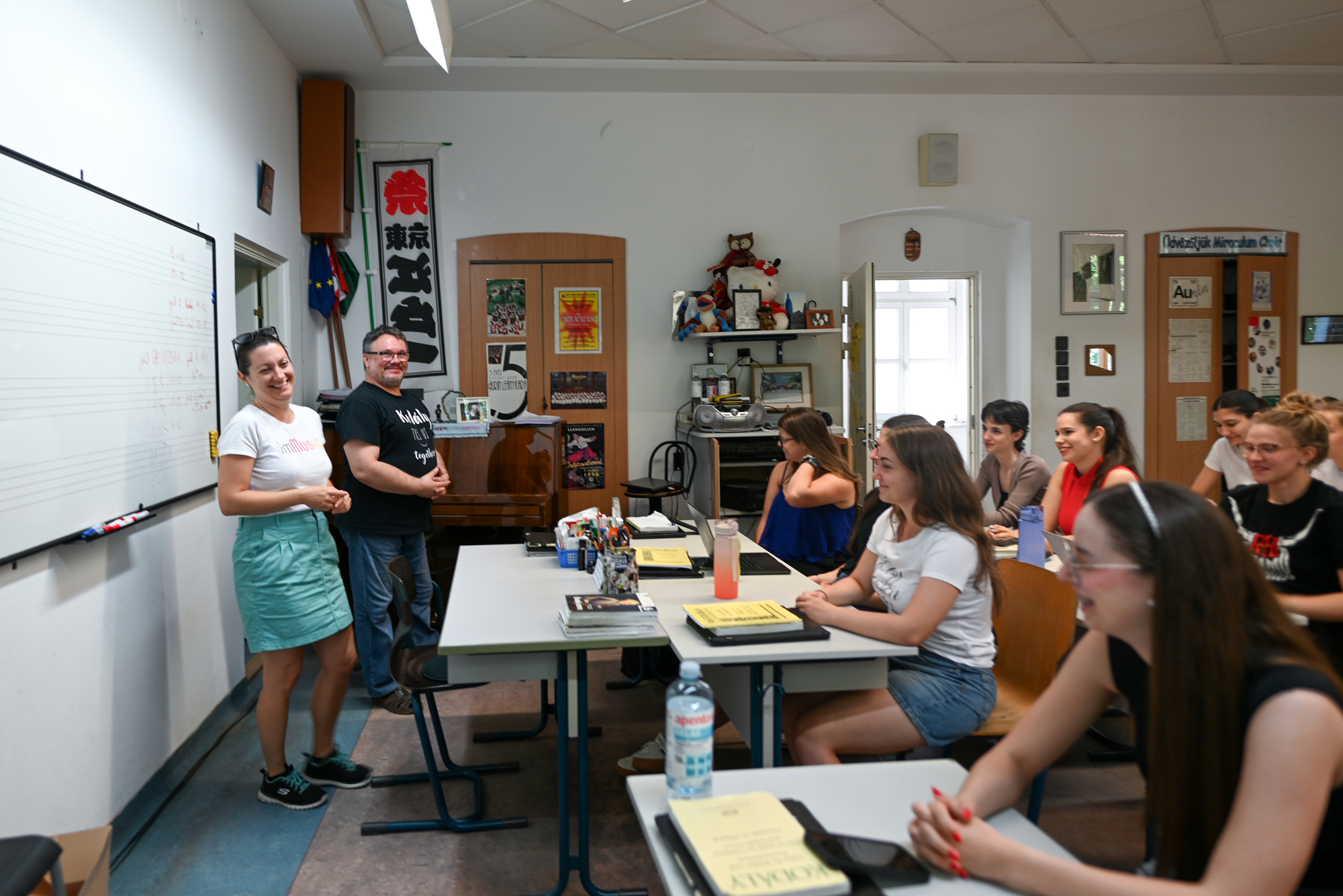
As the school year came to a close, the Kodály School in Kecskemét hosted a unique two-day mini-conference and workshop as part of the Ma.Mu Erasmus+ project. Held during the Aurin Girls’ Choir’s rehearsal times, the event welcomed university students and educators from Pécs, Budapest, and Szeged for an inspiring exchange of ideas, experiences, and practical tools for supporting children with dyscalculia.

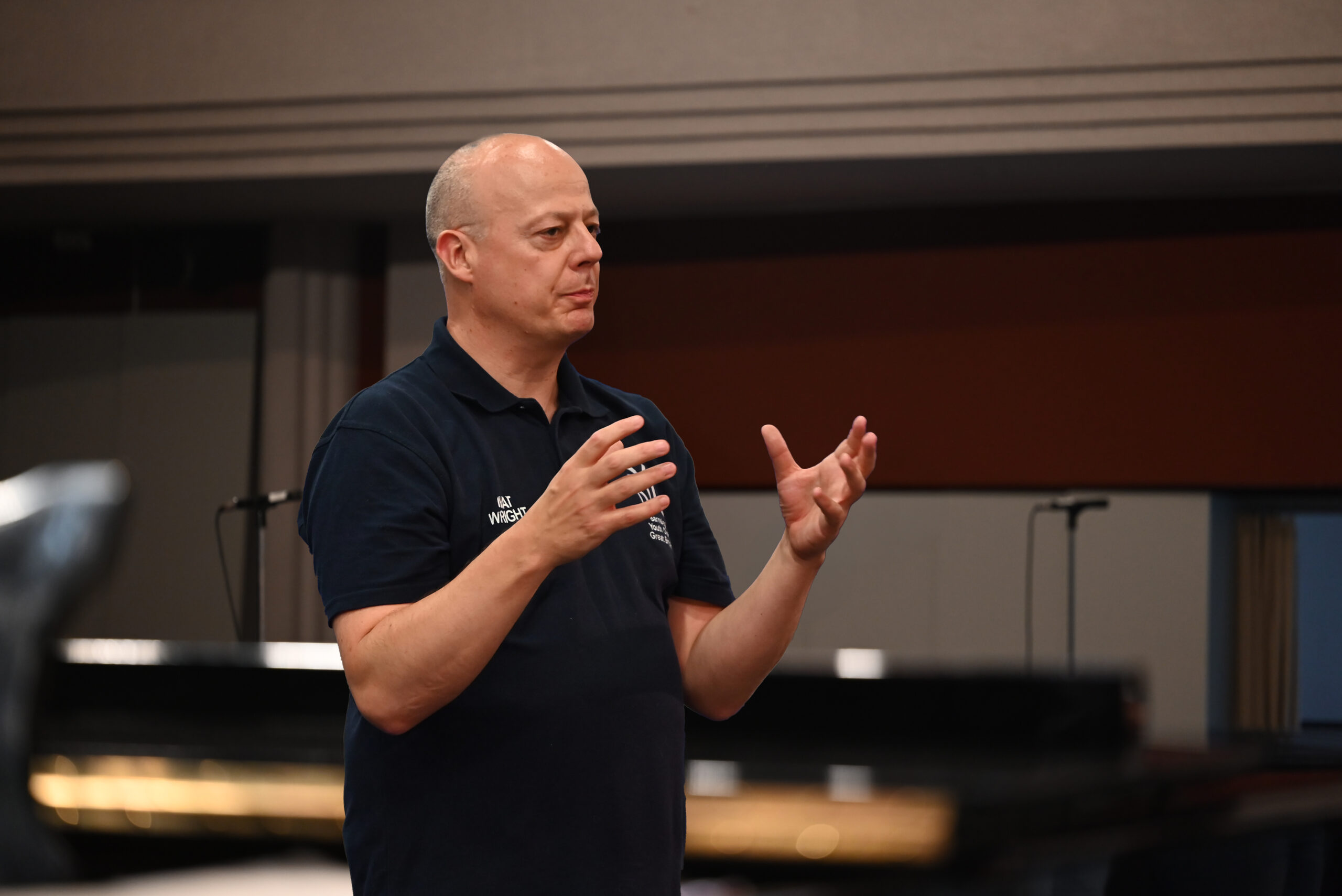
The sessions, led by Edit Pálinkás and László Durányik, offered an overview of the Ma.Mu project and its results, with particular focus on the challenges of recognizing and addressing dyscalculia in everyday school environments. Topics included definitions and symptoms, classroom recognition techniques, inclusive approaches, and music-based game strategies – all designed to develop mathematical and logical thinking in children with learning difficulties.

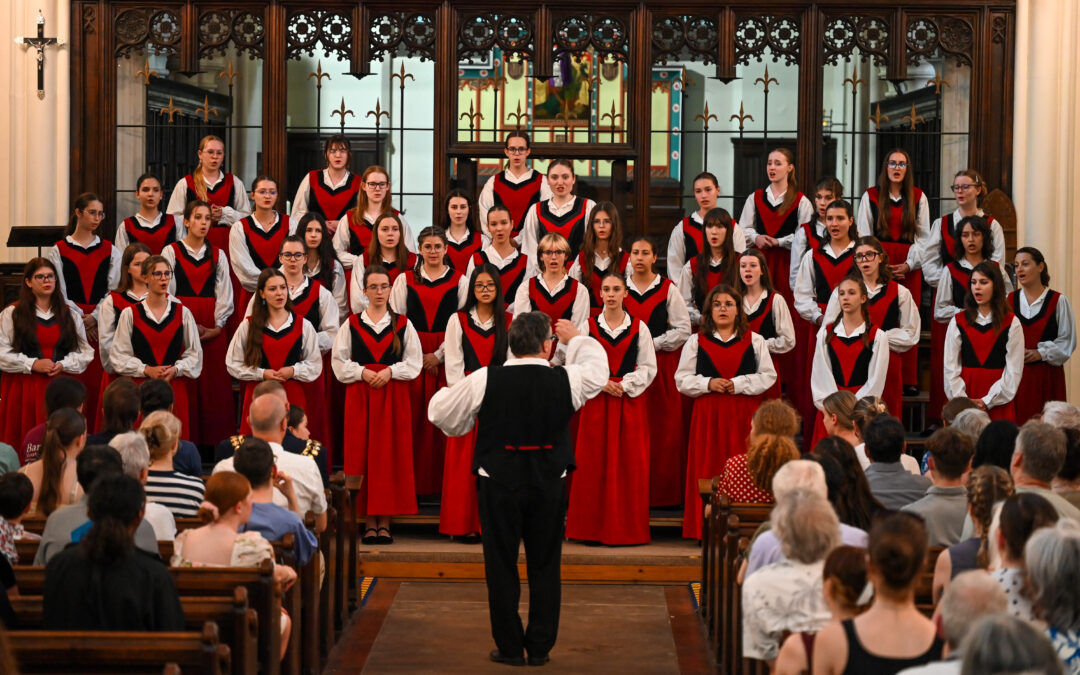
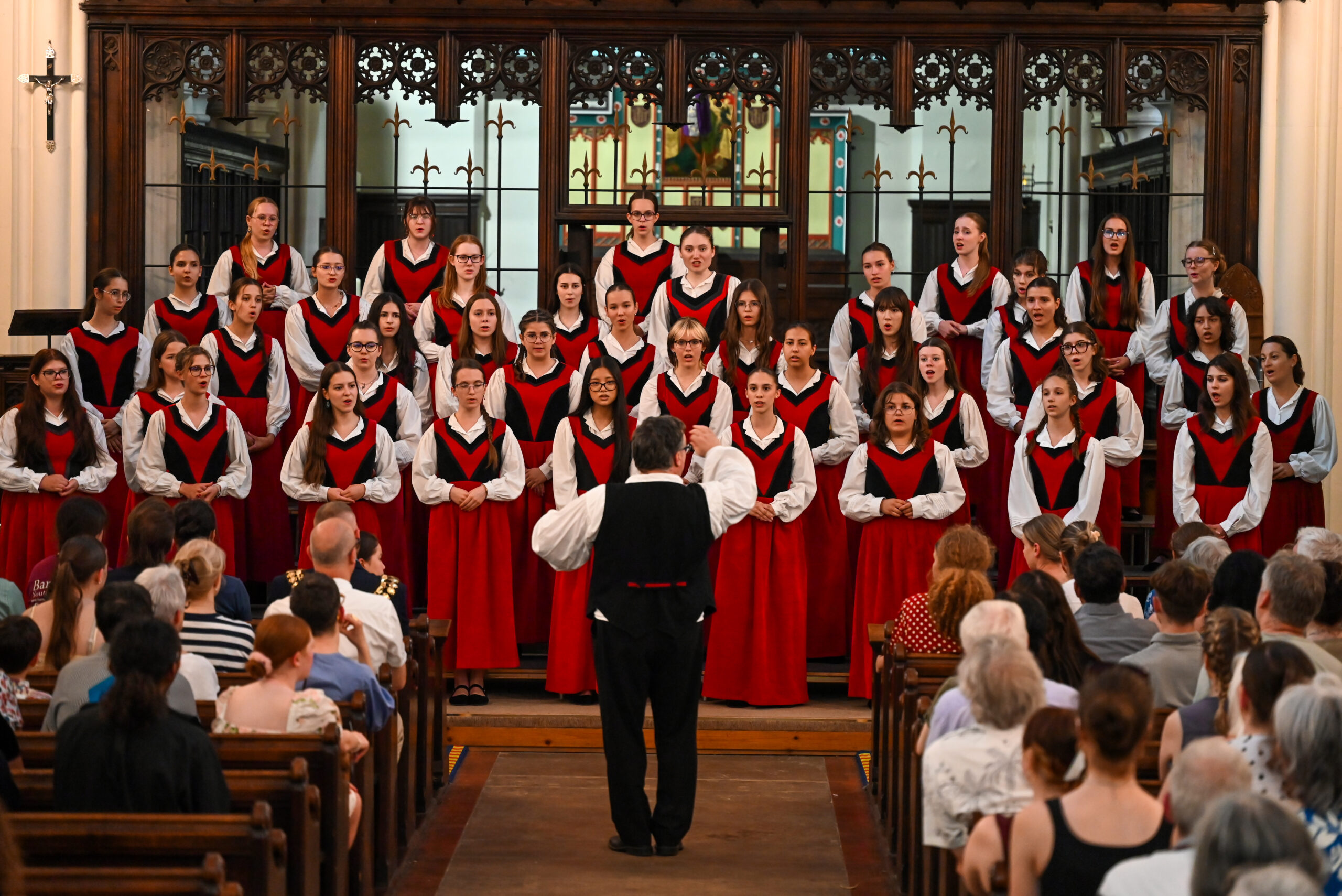
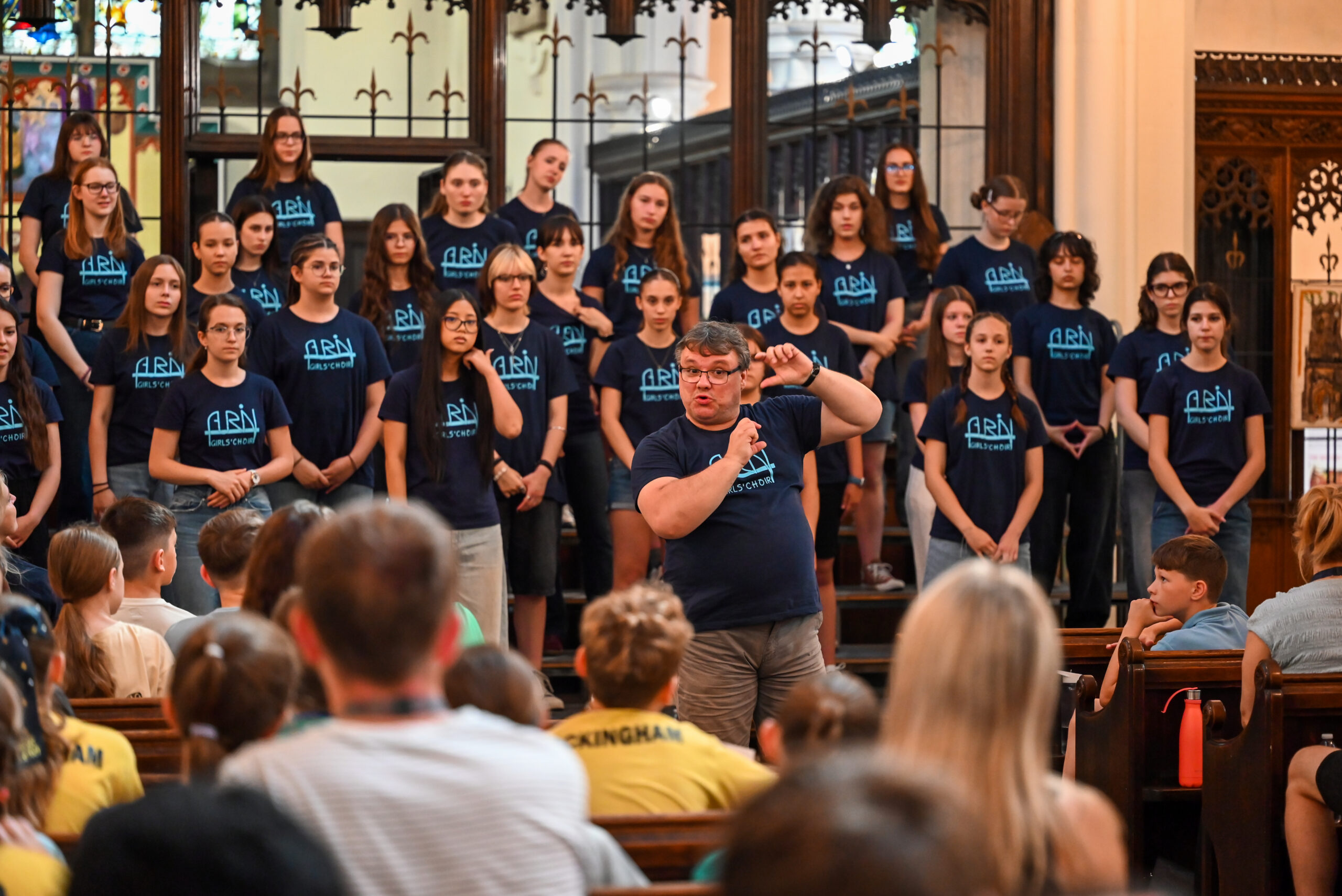
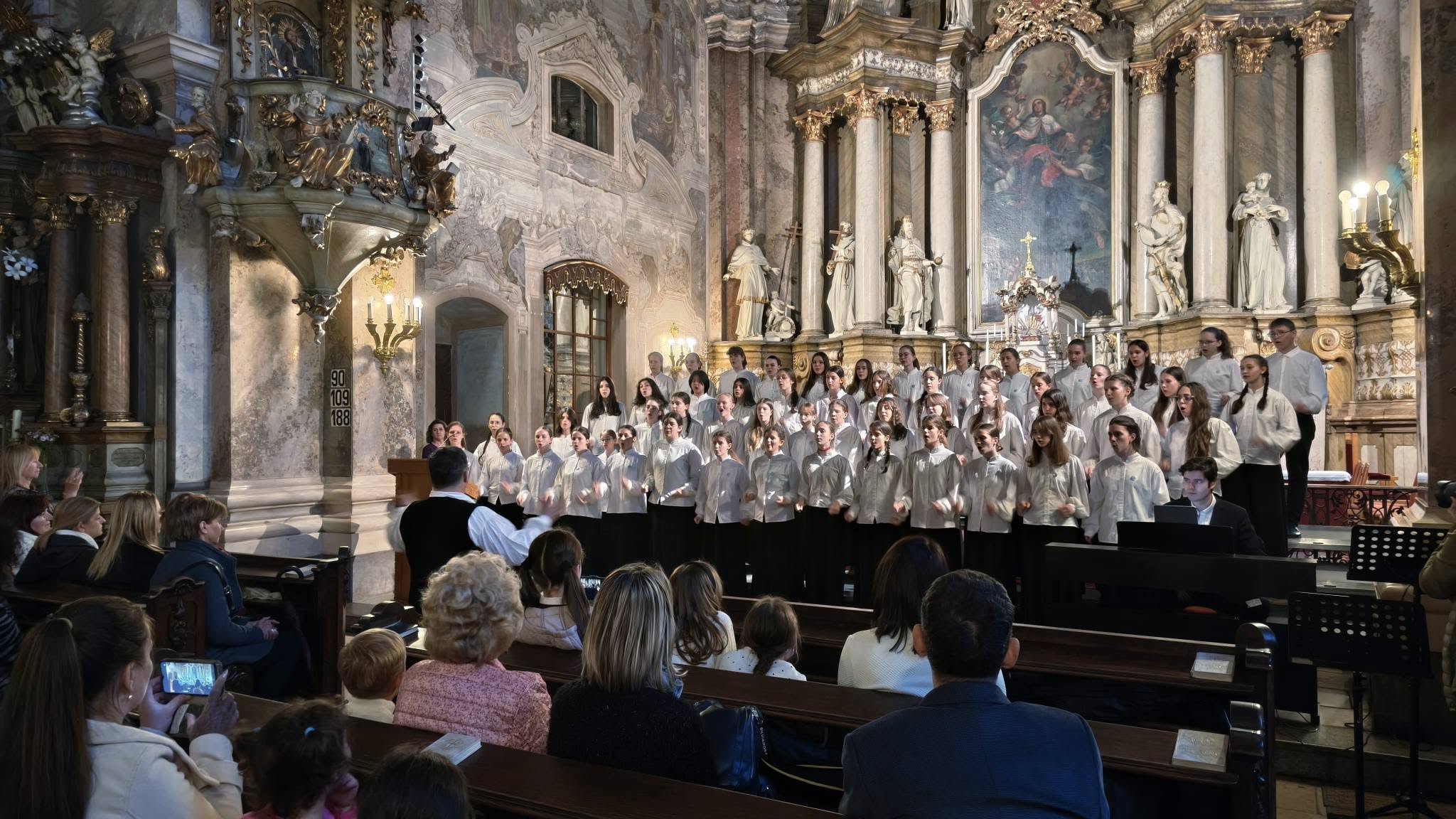
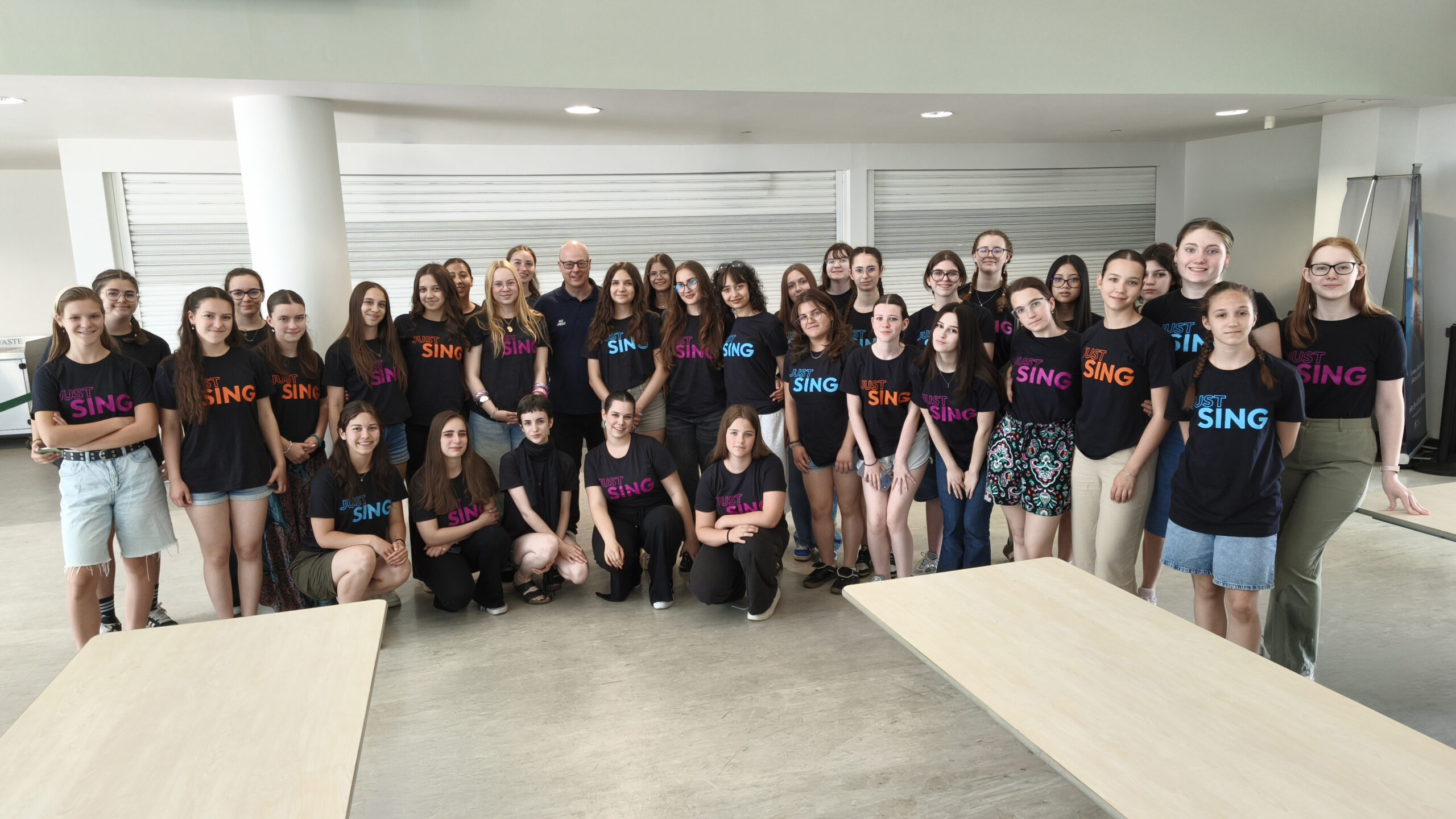
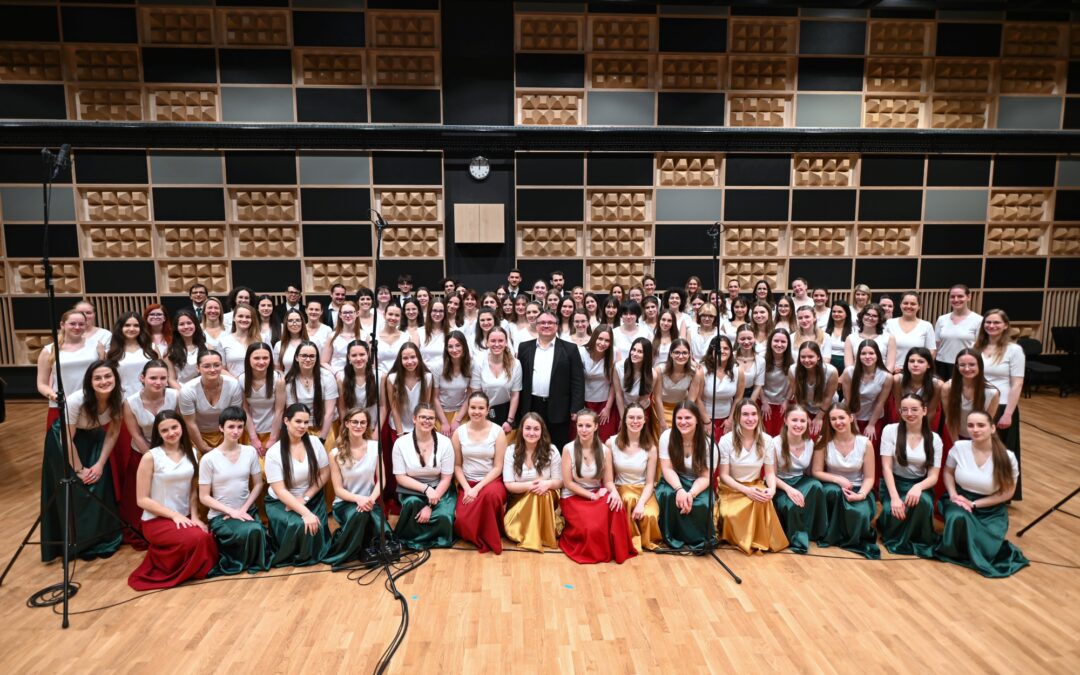
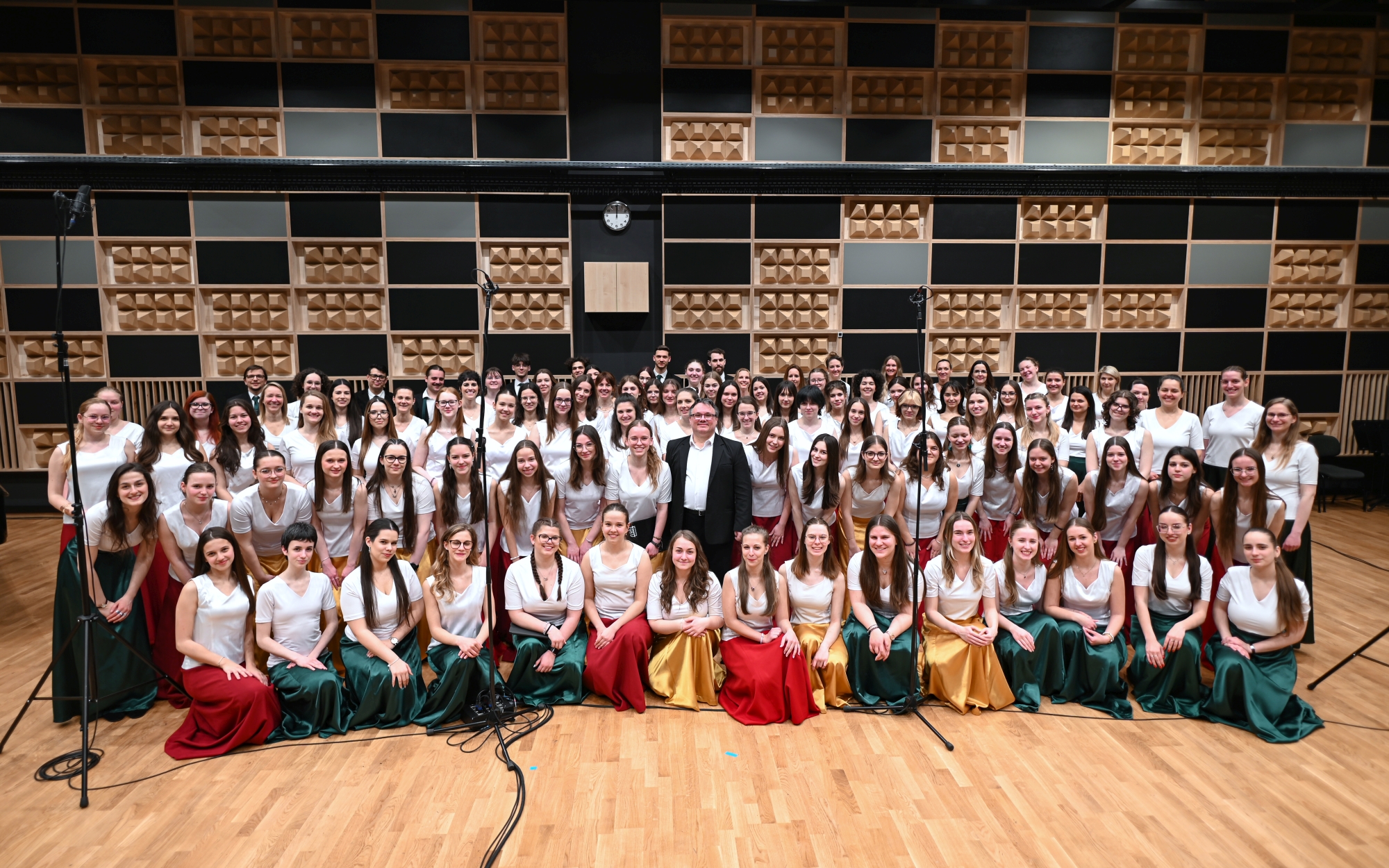
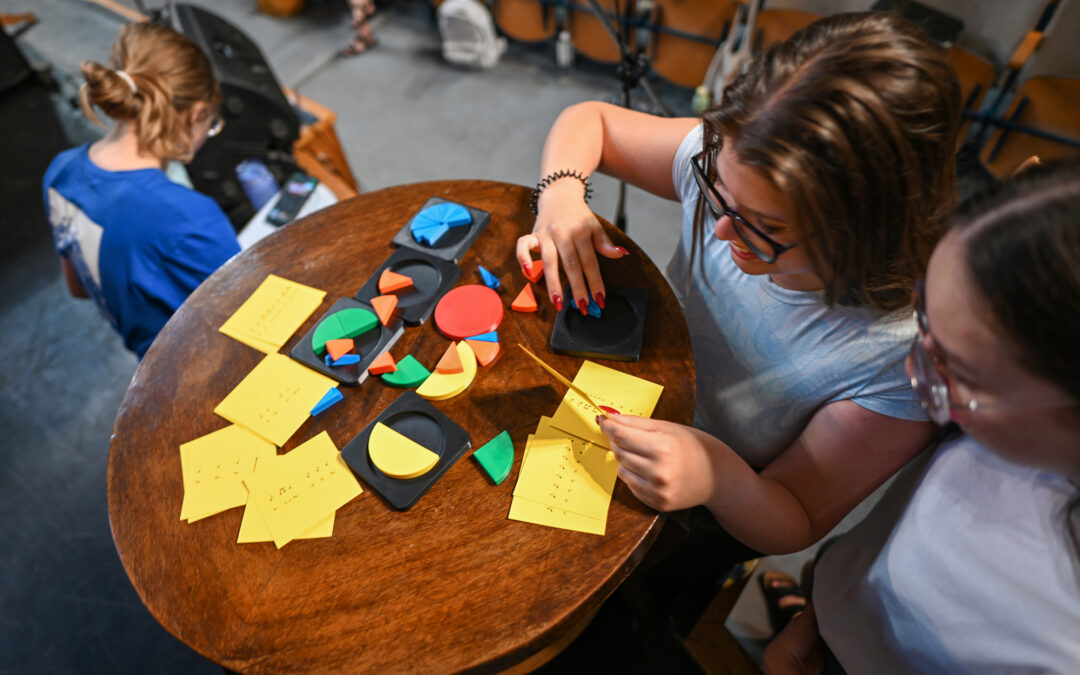
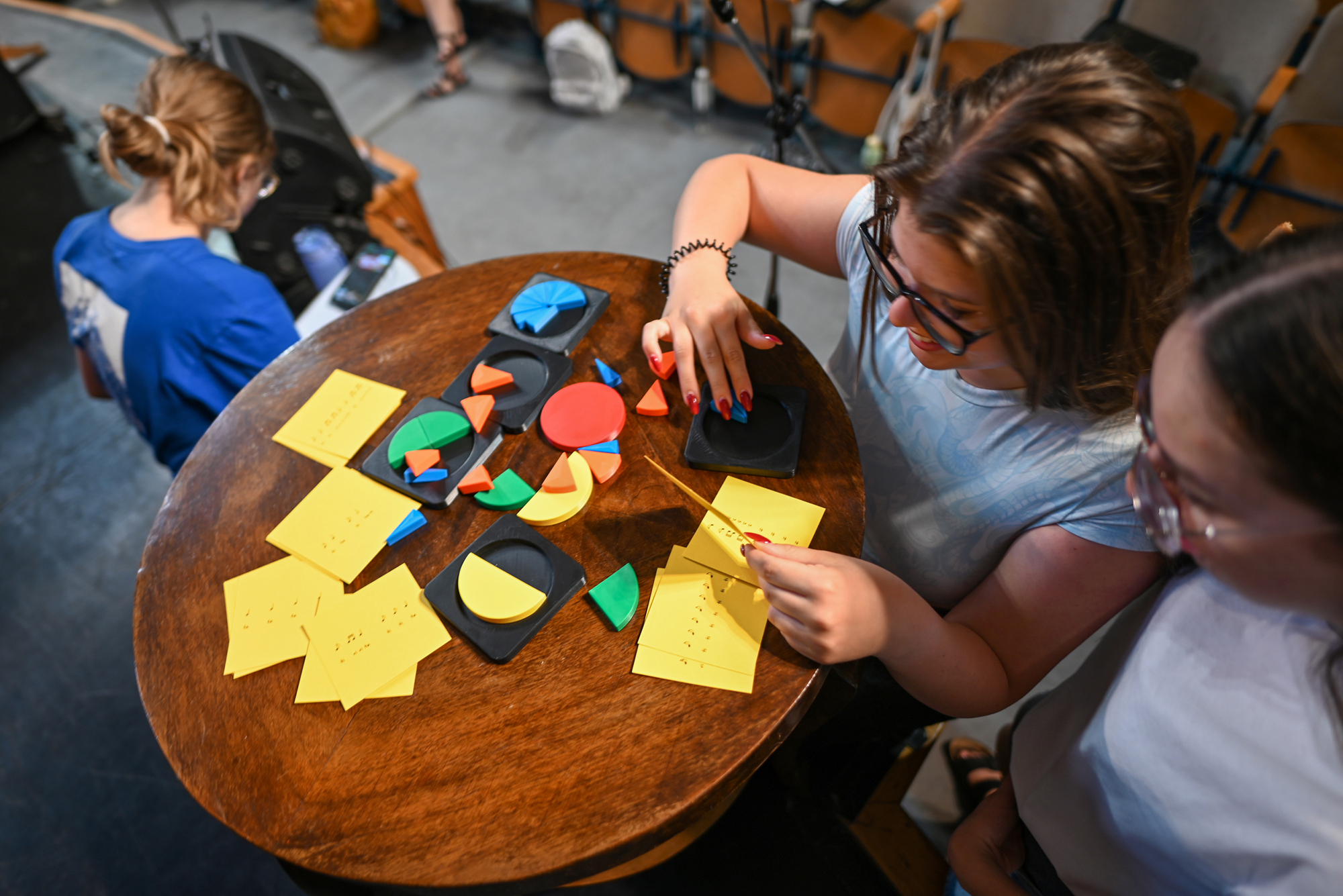
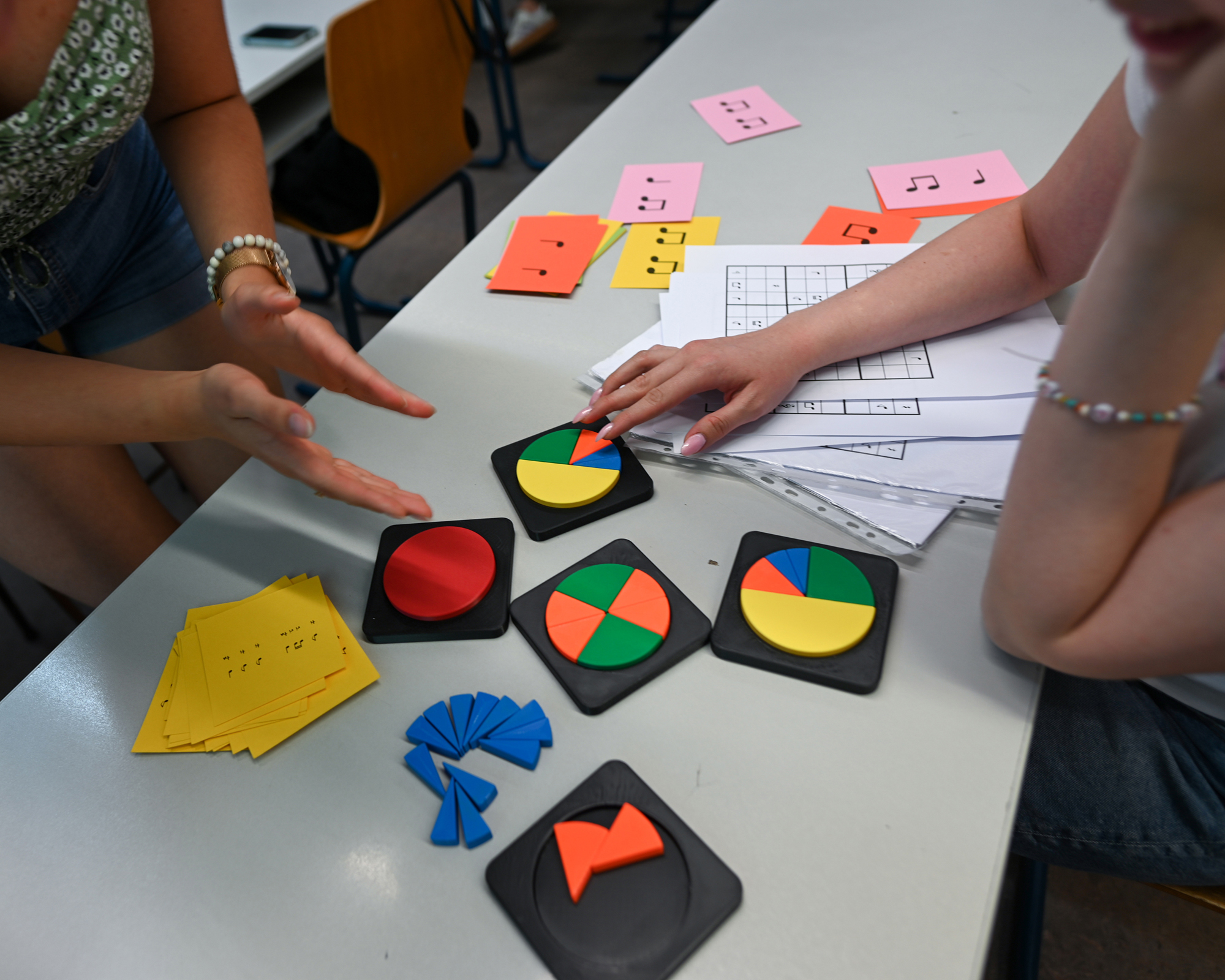
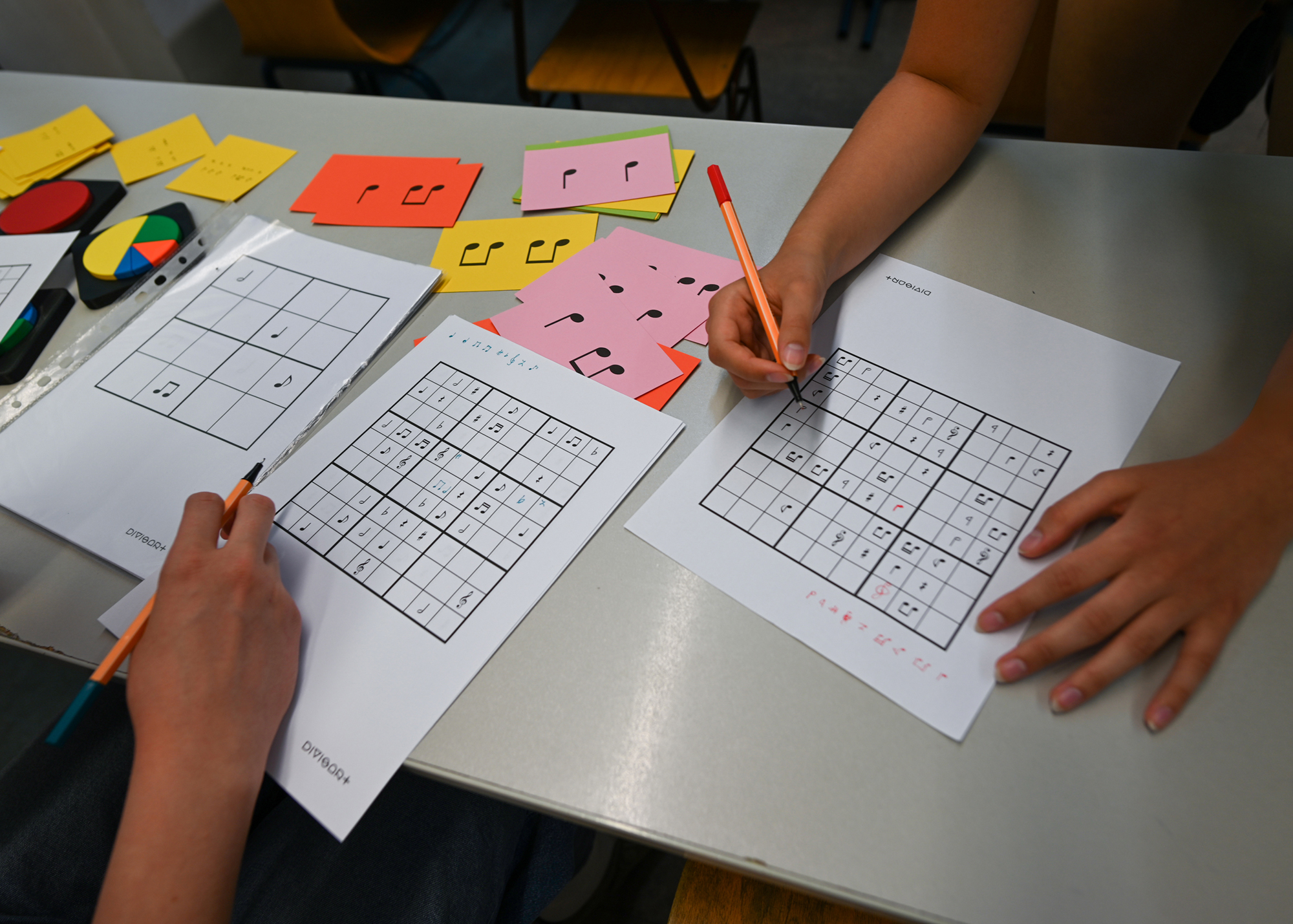
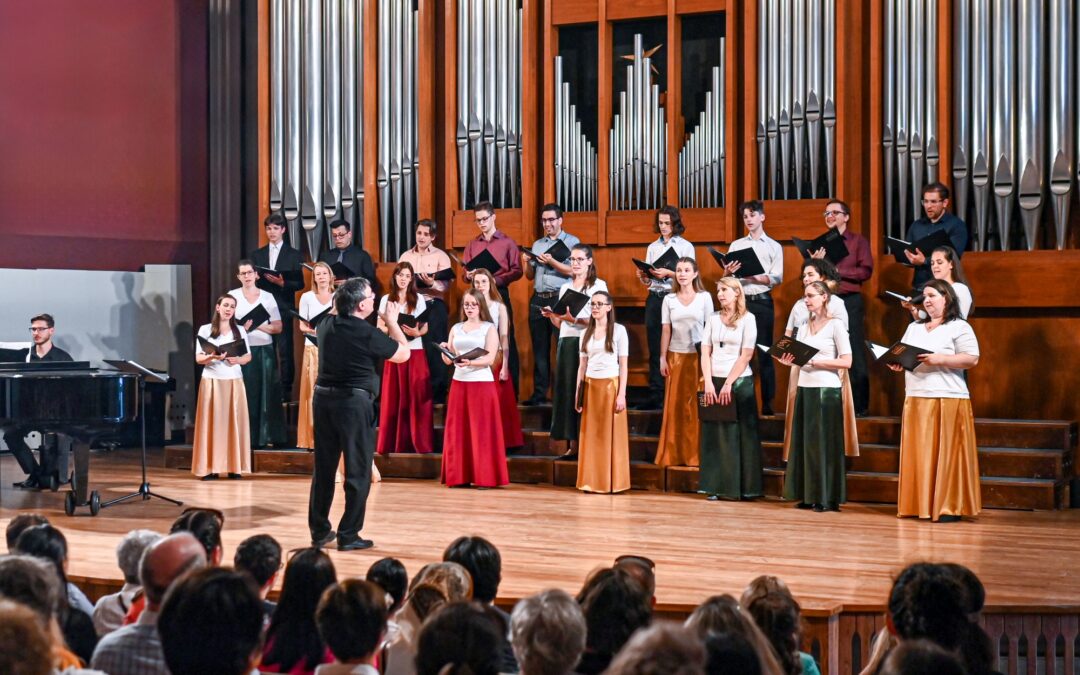
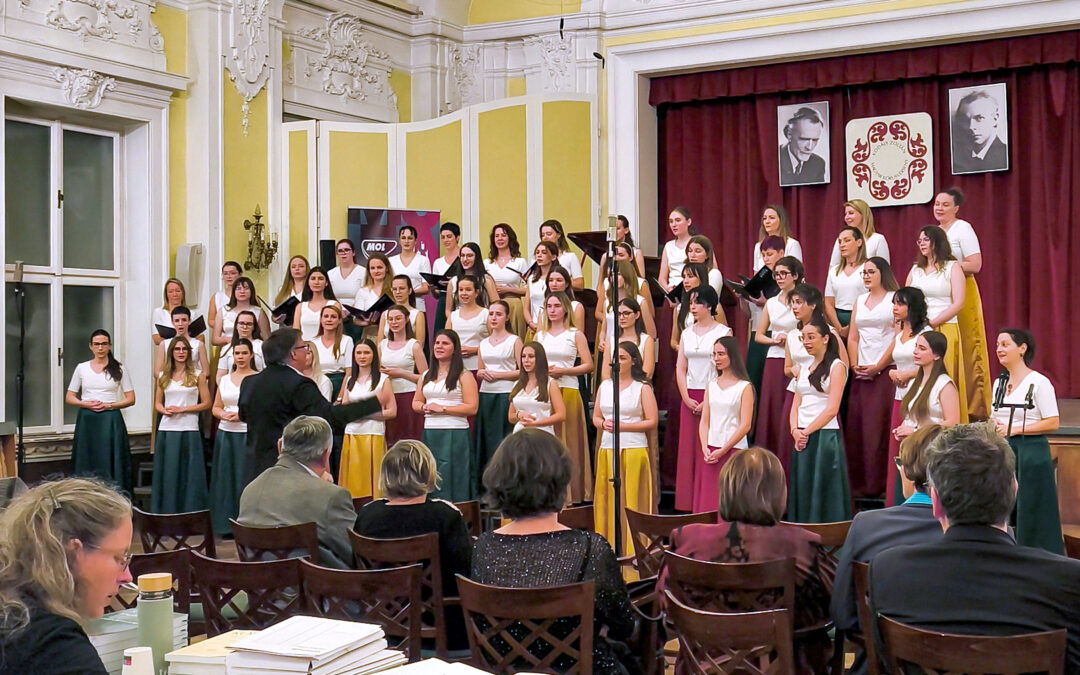
On Friday afternoon, following the project introduction and theoretical groundwork, participants observed live demonstrations of the Ma.Mu games with the Aurin Girls’ Choir. These moments highlighted how rhythm, melody, movement, and creative collaboration can transform abstract mathematical concepts into engaging learning experiences.

Saturday continued with reflections on evaluation and impact, as well as an open game session where all attendees could try out selected activities from the newly developed Ma.Mu digital manual. The event concluded with a reflection circle, offering space for discussion, feedback, and ideas for future application.

This small yet impactful event served not only as a dissemination activity but also as a living example of Ma.Mu’s mission: to bring music and education closer together and to offer accessible, creative support for children with dyscalculia. The energy in the room, the shared laughter during rhythm games, and the thoughtful exchanges all spoke to the potential of this approach to make a real difference.

Photographs from the event captured both the joy of making music and the serious commitment of educators working to create more inclusive classrooms – proving once again that innovation often begins in small, meaningful collaborations.

Global Challenges, Local Responses – Aurin at Classical:NEXT

Global Challenges, Local Responses – Aurin at Classical:NEXT

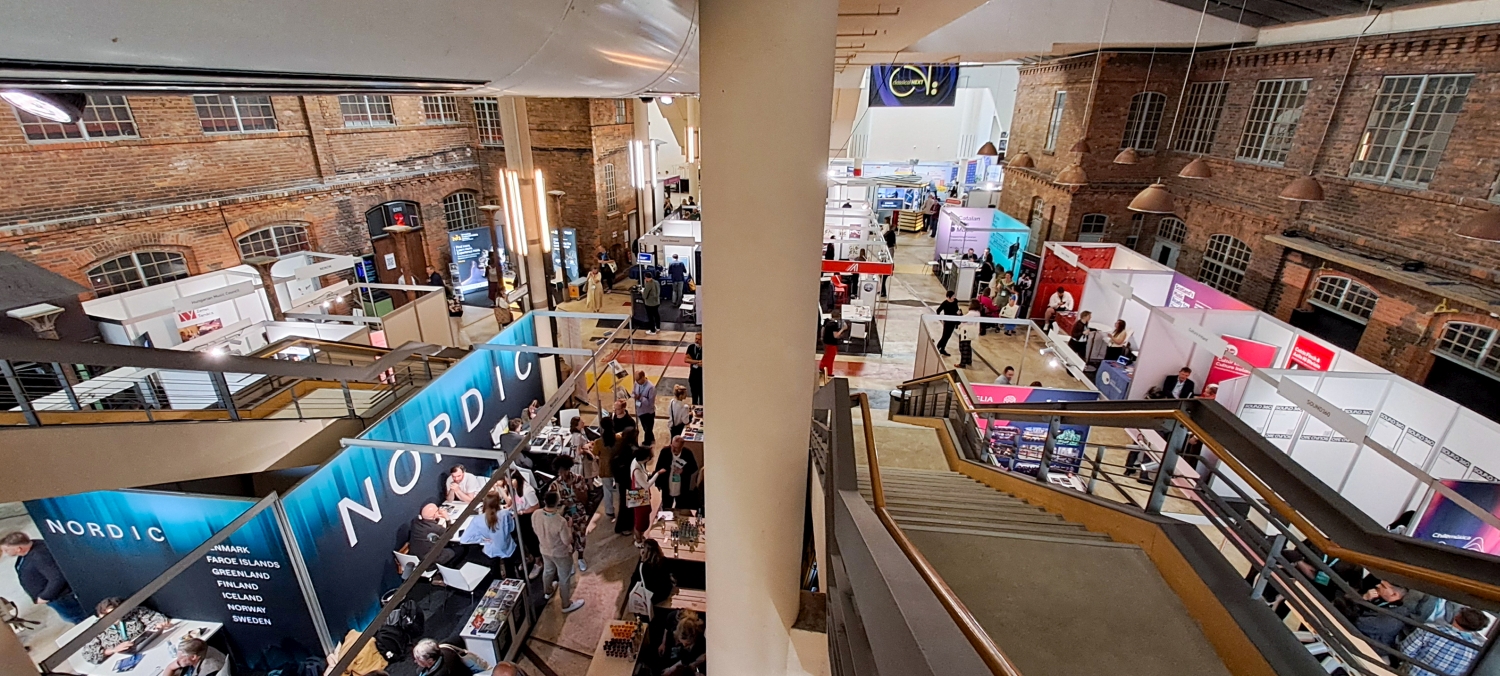
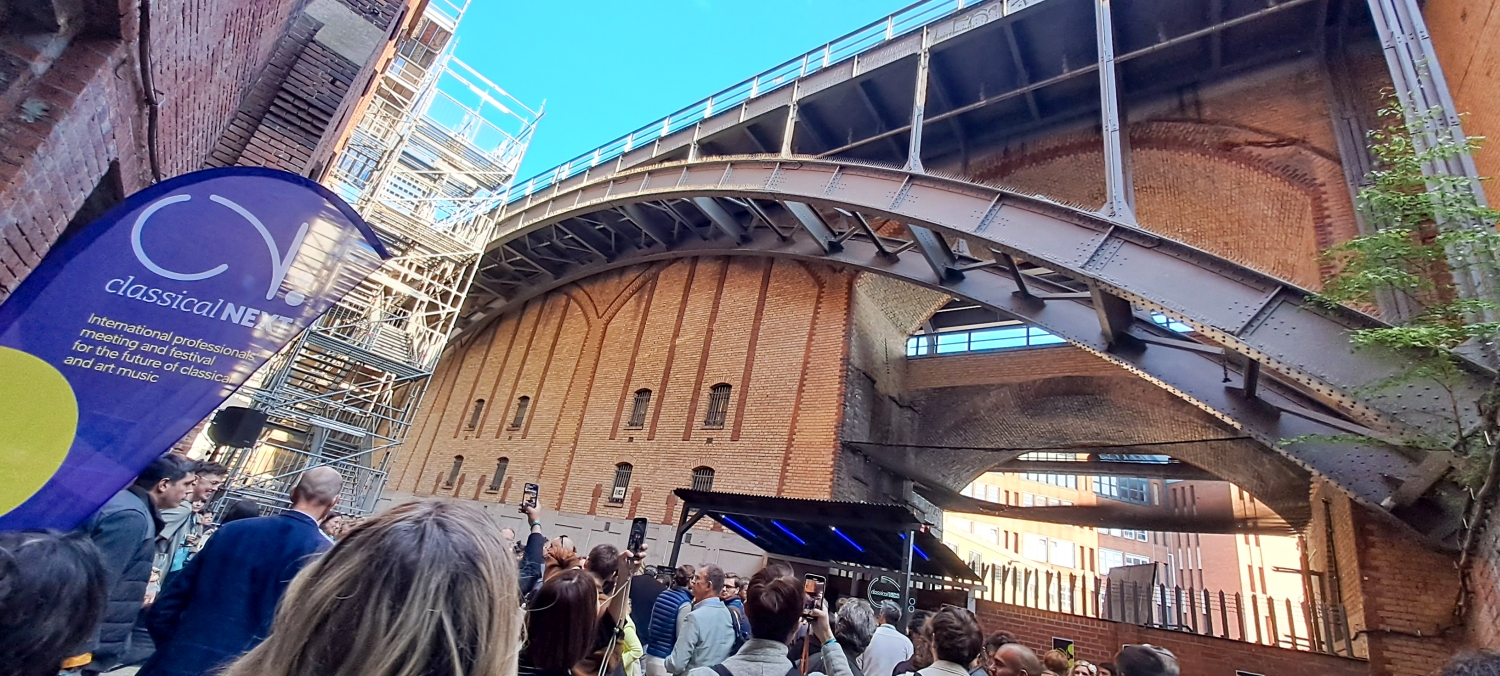
In May 2025, Edit Pálinkás – representing, among others, the Aurin and Miraculum Foundation – attended the Classical:NEXT conference in Berlin, one of the most significant international events in the world of classical music. While the planned choir meet-up was unfortunately cancelled at the last moment, the three-day event still offered a wealth of insightful discussions, workshops, and new connections – including promising conversations with new partners from Hong Kong. The greatest value of our presence wasn’t limited to representing our choirs, but in showcasing the wide-ranging educational and socially impactful work carried out by our foundation.

Interdisciplinarity in practice – Where Ma.Mu and ImMusic meet

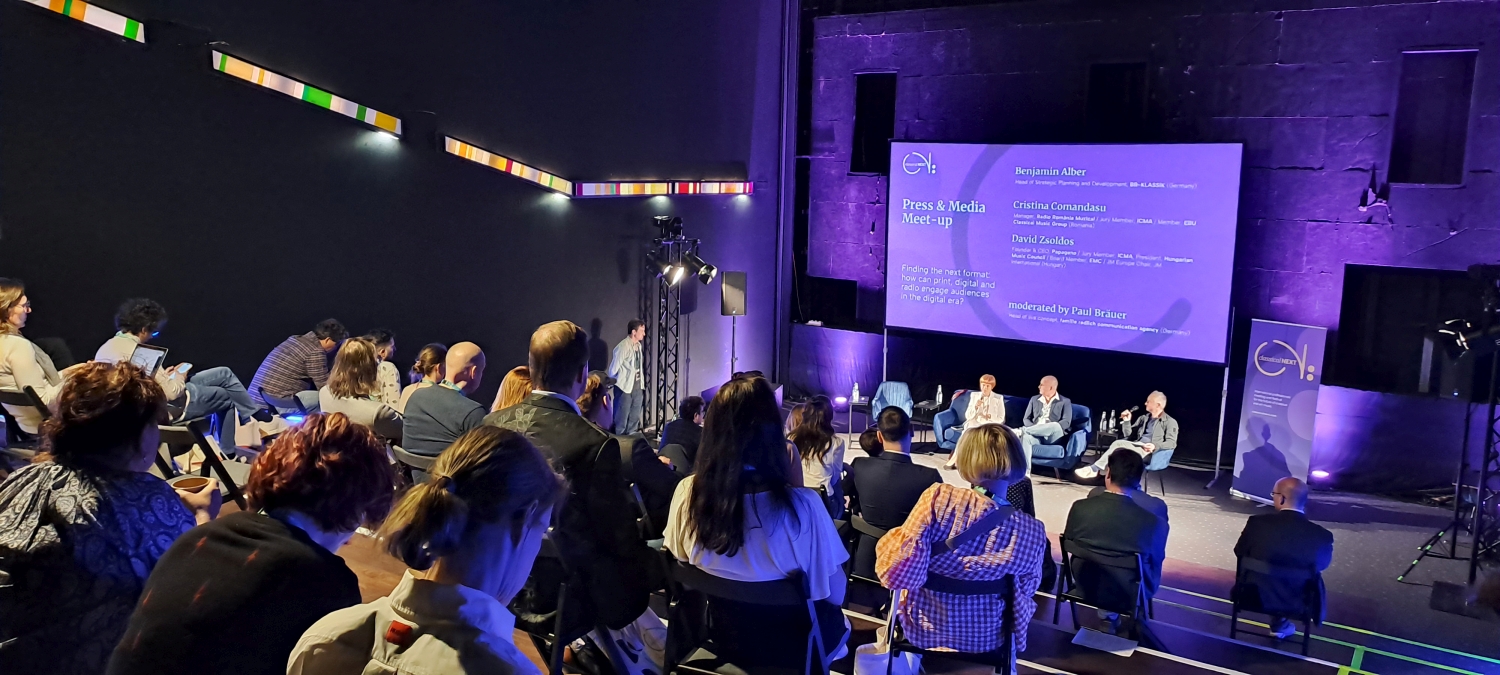
One of the most professionally rewarding moments of the conference was an international session with colleagues from Finland and Canada. The focus was on interdisciplinarity and the future of education: how music can support students with learning difficulties, foster inclusive pedagogy, and how artificial intelligence might play a role in shaping educational programs.

During this session, we presented two of our significant projects: Ma.Mu – Math and Music, which develops music-based support tools for children with dyscalculia, and ImMusic, in which we participated as external testers. The latter explores the intercultural and community-building potential of youth engagement through music.

In Ma.Mu, we developed playful music exercises that support mathematical and logical thinking. As a result, we are producing a practical teacher’s manual and downloadable game set, complete with video illustrations. Meanwhile, ImMusic emphasizes music as a form of self-expression and collective experience, especially for young people exploring intercultural sensitivity and connection. Although their target groups and methods differ, both projects demonstrate the transformative power of music in education and social development.

This session sparked not only fruitful exchanges but also laid the groundwork for future collaborations. It felt energizing to discuss the future of music education in a space defined by openness, creativity, and shared responsibility.

Global Concerns – Music on the Margins

Experiences from the conference painted a sobering but reaffirming picture: music education is being sidelined around the world. Funding is shrinking, and educational policies are shifting their focus elsewhere. In many countries, music is still treated as a “nice-to-have” extra rather than a vital tool for cognitive and emotional development. Yet now, more than ever, it is needed.

Key takeaways echoed across several panels:

  • Music can serve as a bridge between societal challenges and education.
  • There is still a lack of methodology and tools to support students with special educational needs through music.
  • The gap between music and other subjects persists, despite the rich opportunities that interdisciplinary collaboration could offer.
  • Parents and policymakers often remain unaware of music’s true value.

As one participant put it: “We must teach the world the value of music before we can hope to change education.”

Familiar sounds in Berlin

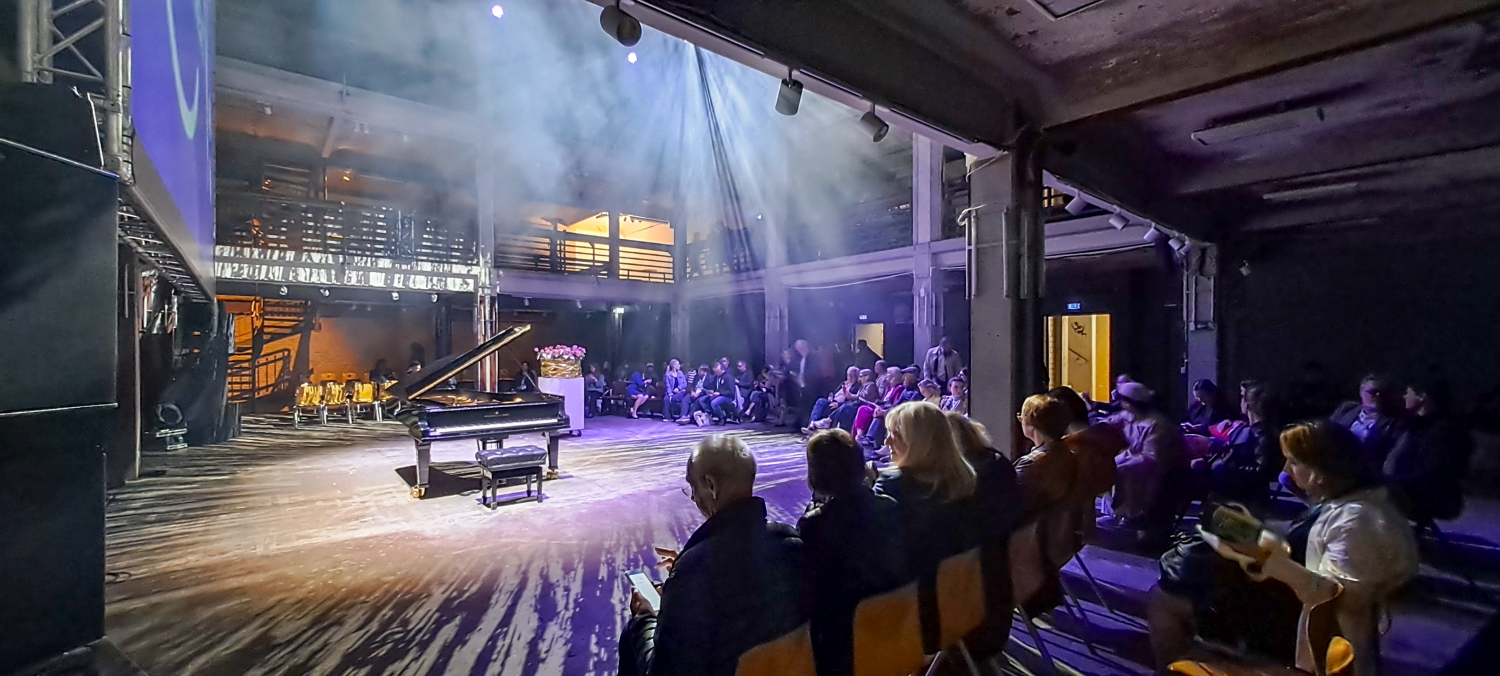
Among the showcase performers were two dear friends, Veronika Harcsa and Anasztázia Razvaljajeva, presenting their new project, Schubert NOW!. In this imaginative reinterpretation, Schubert’s songs were transformed with contemporary improvisation, electronic elements, and the intimate interplay of harp and voice. Their performance was a stunning example of how classical heritage can be reimagined in today’s language. Our conversation even sparked thoughts about future collaboration – a welcome moment of connection with fellow Hungarian artists on the international stage.

Every step counts

The most important message we brought home from Berlin? Every small step matters. We must speak about our work. Share our results. And most of all: persist.

It was uplifting to see how our “small steps” from Kecskemét – including Ma.Mu and other initiatives of the Aurin and Miraculum Foundation – resonated internationally.

See You in Budapest!

In 2026, Classical:NEXT will arrive in Budapest. We’re already preparing – with new plans, new partners, and a firm belief that music not only connects us, but opens up new possibilities in education, in communities, and across the world.

Wrapping Up in Naples – The Closing Chapter of Ma.Mu

Wrapping Up in Naples – The Closing Chapter of Ma.Mu

This May, we met for the final international meeting of the Ma.Mu (Math and Music) project – and where else could we better close such a creative and warm collaboration than in Naples? The Italian partner, Bellezza Dieci, hosted us in their own local style: morning meetings in cafés, fresh croissants, espresso, and a relaxed rhythm that somehow still left room for highly efficient work.

From Hungary, our conductor László Durányik and project manager Edit Pálinkás joined two partners from Italy, two from Greece, and three from North Macedonia for two days of project evaluation, final planning – and yes, a bit of sightseeing too. 

Looking back at what we’ve built

The meeting was more than a summary – it was a celebration of the results. Throughout the last year, we’ve been exploring how music can support children who struggle with dyscalculia – a learning difficulty that affects mathematical understanding. During the meeting, we reviewed and finalised the teaching manual, a resource that now offers practical and accessible music-based exercises for teachers and youth workers.

The manual, written and edited by our Hungarian team with strong contributions from all partners, provides:

  • Easy-to-follow games that combine rhythm, melody, and movement with basic math concepts
  • Guidelines for recognizing dyscalculia and adapting your classroom
  • Specific sections on rhythm and fractions, number sense, repetition, memory training, and pattern recognition
  • Tips for non-musicians to confidently lead activities
  • Printable game materials and diagrams
  • Suggestions for further development

We also finalised our series of videos, which illustrate how the activities can look in practice – these will soon be available for everyone on the official project website. And of course, there are also downloadable game kits that can be used anywhere in the world by teachers who want to bring play and music into their classrooms.

From online to on-the-ground

Looking back, the Ma.Mu project started with online training sessions in spring 2024, but it quickly turned into a real community. We’ve tested our activities with children, discussed results with fellow educators, and most importantly – we’ve learned. About how music can become a bridge between difficulties and solutions. About how mathematical fear can slowly fade when a child hears, sings, claps, or steps a pattern. And about how small ideas, developed with heart and method, can make a difference.

And after the meeting?

In Naples, we also had a chance to discover the city together. We played a team sightseeing game focused on music-related locations, strolled through historic streets, and even enjoyed a day-trip to Sorrento, where we had a surprise reunion with the North Macedonian group. It was a simple reminder: Europe is not that big, and projects like this help build real connections.

What’s next?

We are now waiting for the official publication of the manual, the videos, and the game materials – the Italian team is finalising the project website, and we hope it will soon be available for educators and music lovers across Europe and beyond.

And while this is the final event of this Erasmus+ project, we left Naples with one shared hope: that this is not the end, but the beginning of something more.

At the Budapest Choir Competition – This Time as a Jury Member

At the Budapest Choir Competition – This Time as a Jury Member

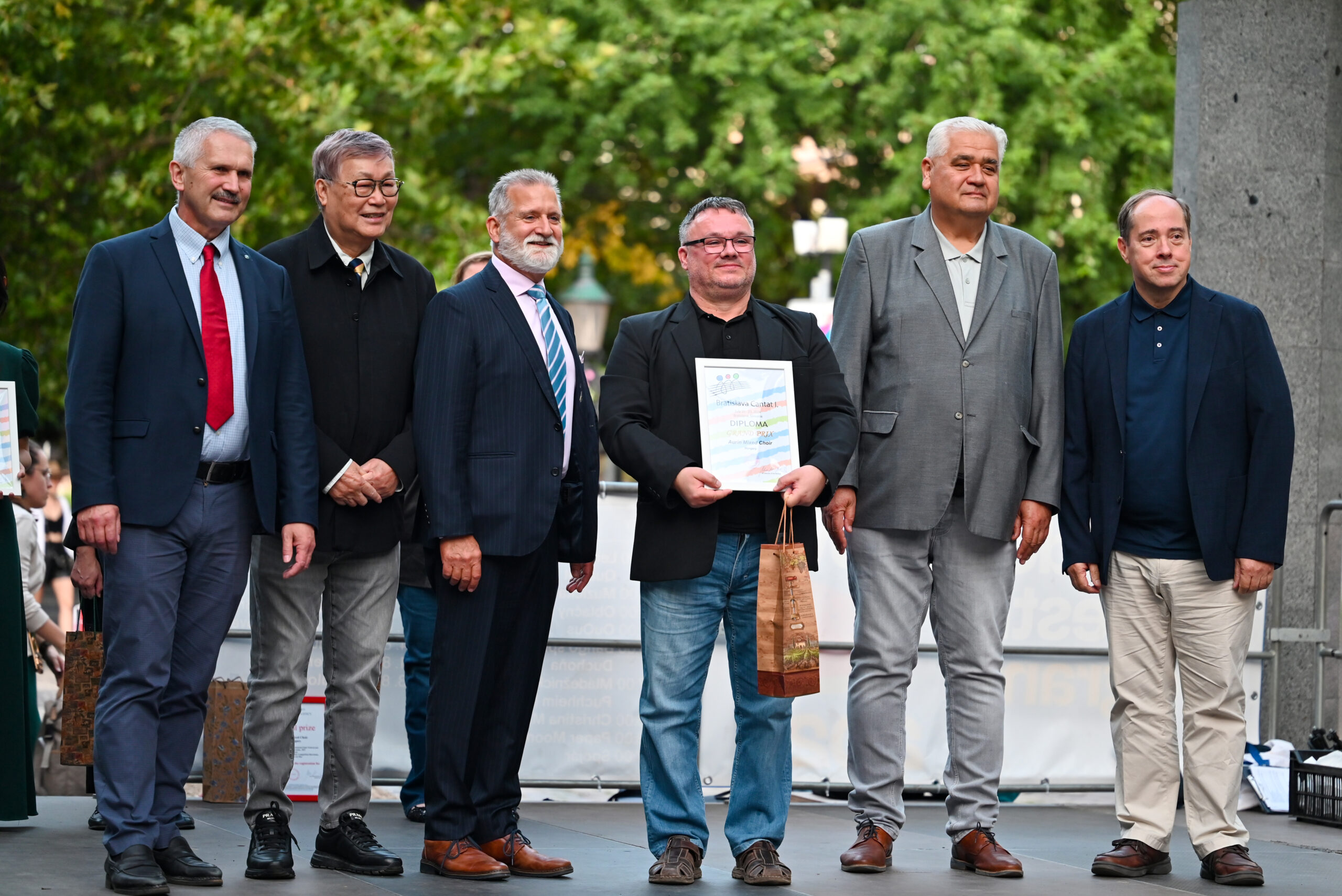
The Budapest International Choir Competition has been a defining event in the life of our choir family for many years. We first competed at this prestigious event in 1997, and since then we have won a total of 13 first prizes – a source of great pride for us. This year, however, we will not be participating as contestants – our conductor, László Durányik, has been invited to join the jury panel of the competition.

The Budapest International Choir Competition has a history spanning more than three decades: it was launched in 1988, and every two years since, choirs from around the world have gathered in Budapest to showcase their talent and musical diversity on a variety of stages across the city. The event is not only a significant challenge for the participating ensembles but also an important meeting point for the international choral scene.

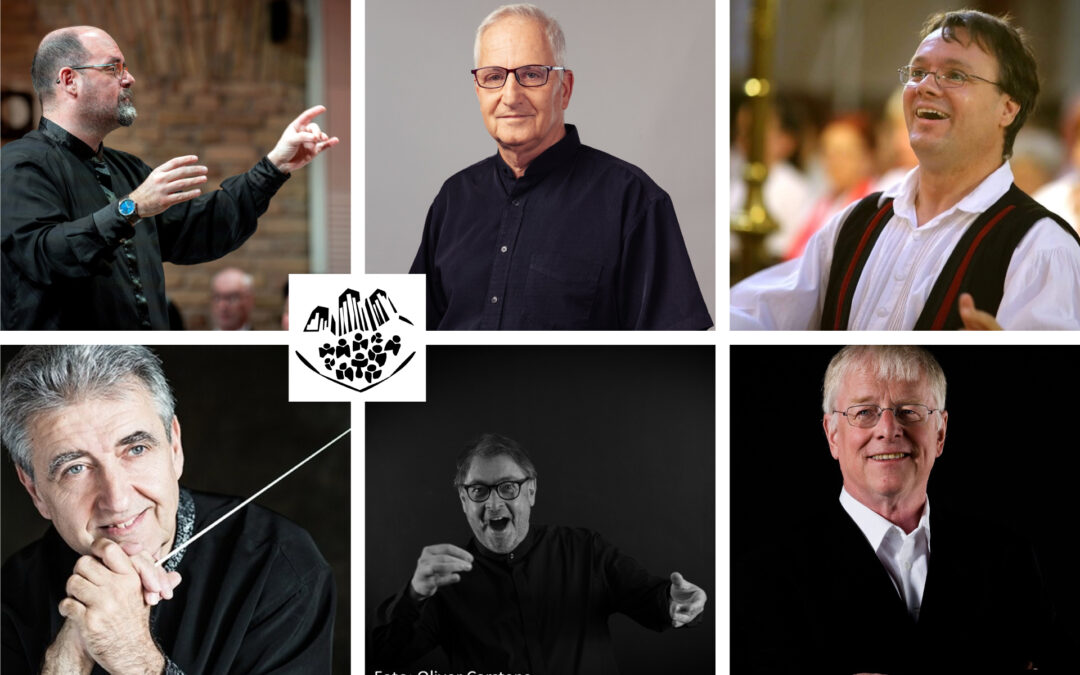
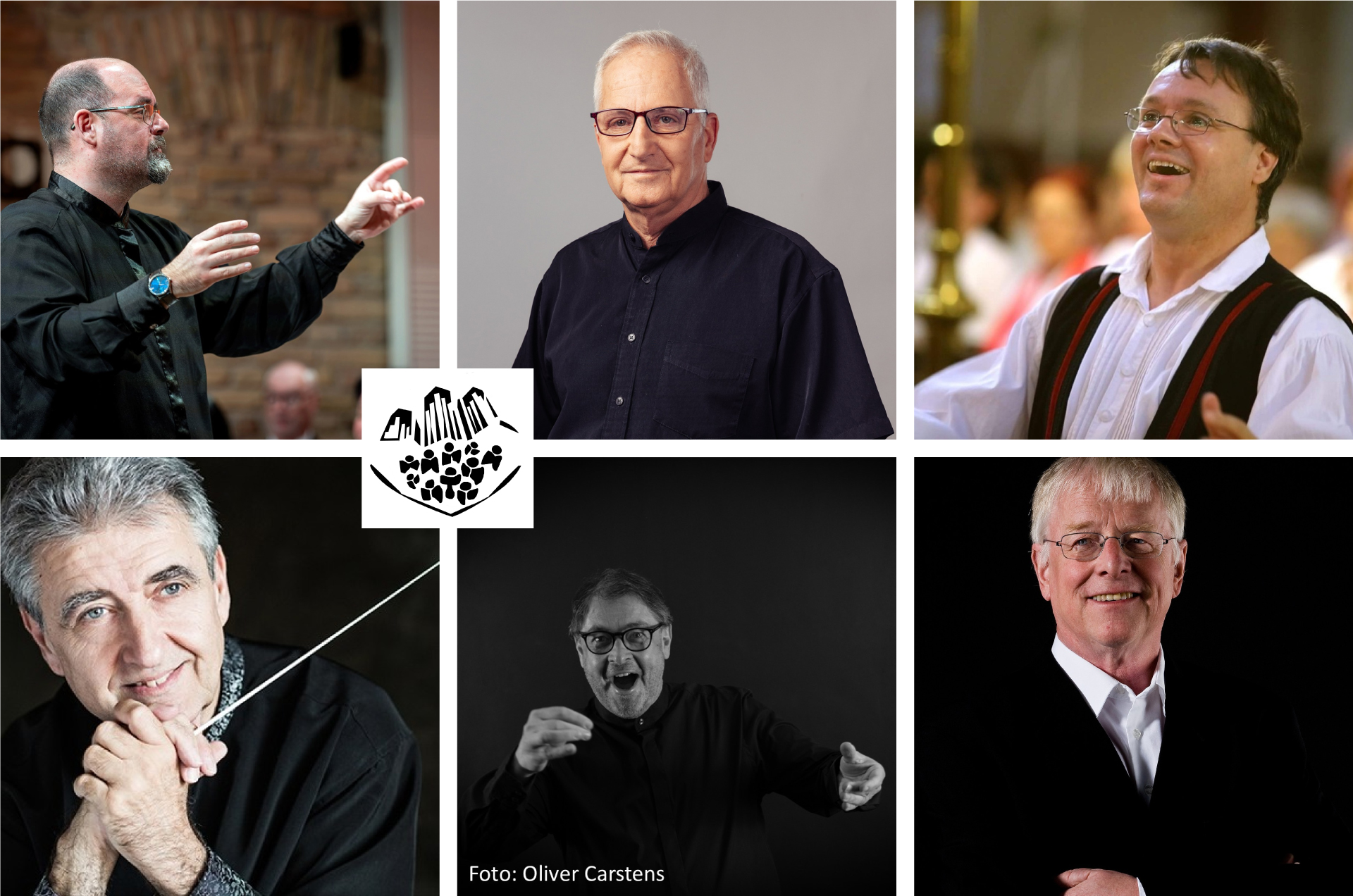
This year’s jury includes distinguished professionals such as Zoltán Kocsis-Holper (Hungary), Jürgen Faßbender (Germany), Yuval Ben-Ozer (Israel), Robert Sund (Sweden), and the festival’s artistic director, Gábor Hollerung (Hungary). We are proud that László Durányik will join this esteemed panel, evaluating the performances of choirs from all around the world.

The Aurin Mixed Choir to Perform in Budapest

The Aurin Mixed Choir to Perform in Budapest

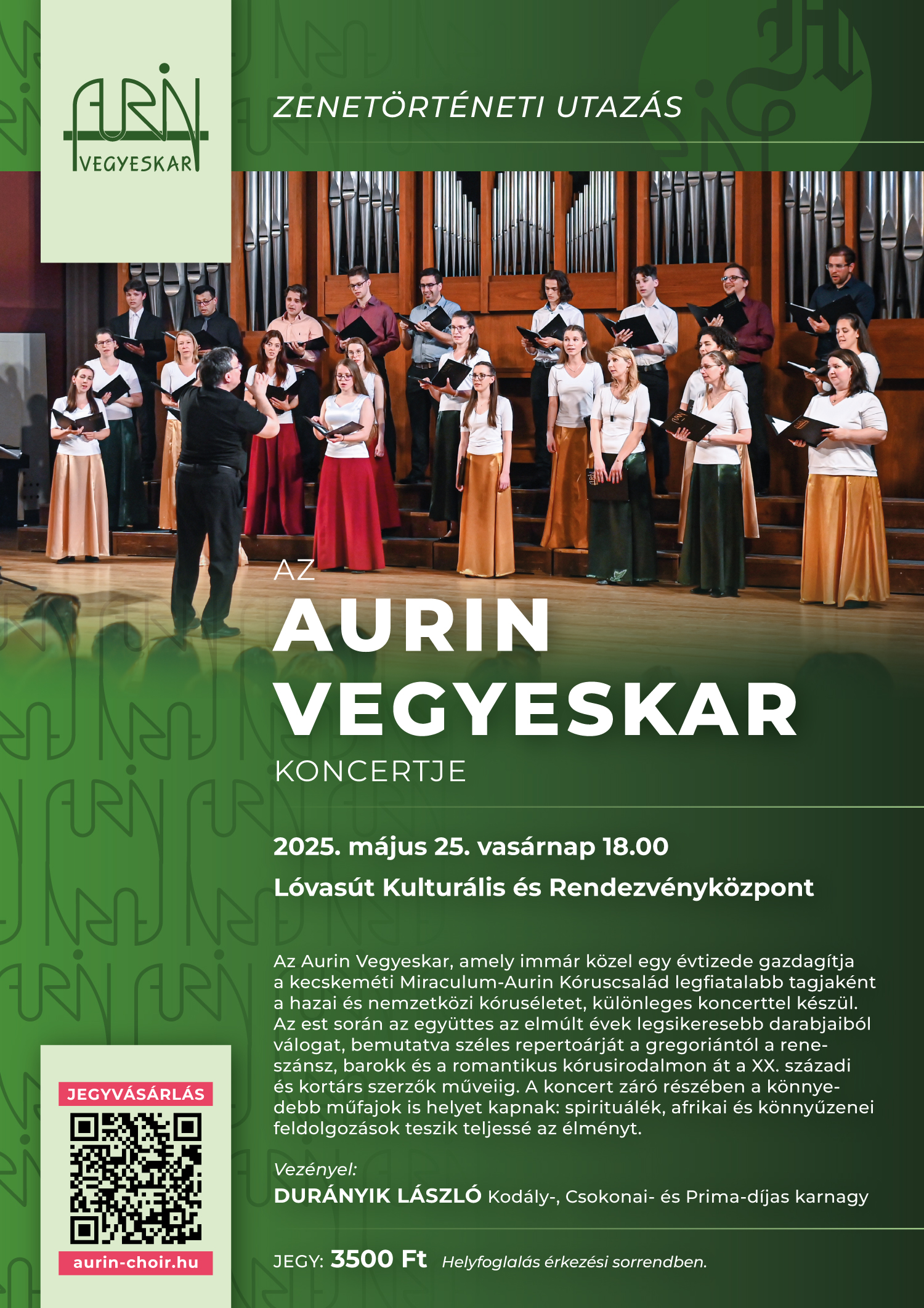
The Aurin Mixed Choir is preparing for its very first independent concert in Budapest, taking place on May 25, 2025, at 6:00 PM at the Lóvasút Cultural and Event Centre. The concert program features the choir’s most successful works from recent years, ranging from Gregorian chant through Renaissance, Baroque, and Romantic choral literature to pieces by 20th-century and contemporary composers. The closing section of the concert will include lighter genres, with spirituals, African folk arrangements, and popular music adaptations completing the musical experience. 
The history of the Miraculum–Aurin Choir Family began nearly thirty years ago, when our conductor, László Durányik, arrived at the Kodály School in Kecskemét. Thanks to his dedication, inspiring teaching methods, and charismatic leadership, choral life at the school was revitalized. Rehearsals became true artistic workshops, where musical excellence and community-building were equally important. The Miraculum Children’s Choir stood out not only for its musical achievements but also for the lifelong friendships and deep connections formed through the shared experience of singing together. Rehearsals, concerts, competitions, and tours brought the choir members close together and shaped them into a genuine community.

As with most school choirs, the Miraculum was predominantly female, given that fewer boys typically attend music-focused classes. Nonetheless, the boys who joined the choir played an important role in the life of the group. With the formation of the Aurin Girls’ Choir, the girls had a clear path to continue, but after primary school, no similar option existed for the boys. Although many remained loyal supporters and enthusiastic members of the audience, over time the longing to sing again became stronger for some of them.

In the meantime, the Somnium Laude Chamber Choir was founded at the Kodály School, offering a continuation for boys in high school, and with the creation of the Aurin Women’s Choir, adult choral singing also became an institutional part of the community. As the chamber ensemble’s male members “aged out,” the number of trained and passionate male singers in the audience grew – and so did the desire to form a mixed choir. In autumn 2017, the decision was made: former classmates, friends, and fellow students joined the members of the Aurin Women’s Choir, and the Aurin Mixed Choir was born.

Thanks to shared musical roots and the same Kodály-based training, the new choir quickly found its place in the choir family. Its unique sound brought a fresh and exciting color to our joint performances. While the Aurin Women’s Choir builds directly on the girls’ choir tradition, the Aurin Mixed Choir is open to any trained singer who wishes to join – and over the years, it has welcomed members who first heard us perform and decided to become part of our musical journey. Today, the choir functions as an independent ensemble, blending the joy of singing together with high artistic standards, while continuing to build on the legacy of the Miraculum–Aurin community.
Aurin Girls’ Choir Travels to Hong Kong

Aurin Girls’ Choir Travels to Hong Kong

The Aurin Girls’ Choir has received yet another prestigious international invitation: in July 2025, the ensemble will represent Hungary at the World Choir Festival – Hong Kong, a world-class choral event.

Organized by the World Youth and Children Choral Artists’ Association (WYCCAA), the festival brings together leading choirs and internationally recognized choral experts from across the globe. The hosts of the event are Artistic Director Prof. Leon Tong and Jury Chair Prof. CHAN Wing-wah, with the jury consisting of acclaimed choir leaders and music professionals from over 30 countries. The Aurin Girls’ Choir will appear alongside such esteemed ensembles as the Inner Mongolia Youth Choir (China), the Resonanz Children’s Choir (Indonesia), and Zero 8 (Sweden).

This invitation is rooted in a long-standing professional relationship. László Durányik, who will serve as a jury member at the festival, has collaborated with the event’s organizers, including Prof. Leon Tong, on various international workshops and masterclasses over the years. This relationship was further strengthened in the summer of 2024, when the Good Hope School Choir – one of Hong Kong’s finest – gave a joint concert with the Aurin Girls’ Choir at the Kodály School in Kecskemét. As part of their European tour, the Hong Kong choir visited Hungary, resulting in an unforgettable evening of musical and personal connection between the two choirs.

The diverse program of the Hong Kong festival – including choir competitions, interactive workshops, masterclasses, and large-scale concerts – represents both an exciting challenge and a unique opportunity for the Aurin Girls’ Choir to once again demonstrate its artistic excellence on the international stage. The festival’s mission is to foster a global community of young singers united by a shared love of music and an appreciation of cultural diversity.

Aurin Girls’ Choir Releases New Christmas Album

Aurin Girls’ Choir Releases New Christmas Album

In December 2024, timed with our Magical Christmas concert, the Aurin Girls’ Choir released its latest album titled Christmas.

Tracklist:

Benjamin Britten: A Ceremony of Carols 
1. Procession 
2. Wolcum Yole! 
3. There is no Rose 
4a. That yonge child 
4b. Balulalow 
5. As dew in Aprille 
6. This little Babe 
7. Interlude 
8. In Freezing Winter Night 
9. Spring Carol 
10. Deo Gracias 
11. Recession 
John Rutter: Angels’ Carol 
Kodály Zoltán: Karácsonyi pásztortánc


Aurin Leánykar, Kecskemét / Aurin Girls’ Choir, Kecskemét, Hungary
Vezényel / Conductor: Durányik László
Szólisták / Soloists: Vivienne Ortan (04, 09, 10), Beáta Ambrus (05, 09, 10)
Piccolo: Eszter Menyhárt (14)
A felvétel a kecskeméti Kodály Iskolában készült, 2015-ben. / Recorded in Kodály School, Kecskemét, 2015
Hangmérnök / Recording engineers: Baranya Tamás and Turcsán András
Kiadó / Publisher: Divisart Kft.

A Magical Christmas – Two Concerts Again This Year

A Magical Christmas – Two Concerts Again This Year

Due to overwhelming interest, the Miraculum–Aurin Choir Family will once again welcome its audience with two concerts on 21 December 2024 at the Great Church of Kecskemét, starting at 16:00 and 19:30.

Performing Choirs:
Miraculum Children’s Choir
Aurin Girls’ Choir
Aurin Female Choir
Aurin Mixed Choir

Conductor:
László Durányik – Kodály, Csokonai and Prima Prize-winning conductor

Piano accompaniment:
Éva Lovászné Gajdos, Dániel Nagy

The concert is part of the Hungarian Choirs Day event series.

___

Our new online ticketing platform is powered by TicketTailor with secure payment via Stripe:
https://www.tickettailor.com/events/aurinsmiraculumalaptvny

Ticket prices: 4.000 HUF
Group discount (3 or more tickets): 3.500 HUF per ticket

Children under 7: free admission

___

New CD Release!
Timed with our Magical Christmas concert, the Aurin Girls’ Choir “Christmas” album will be released in December!

Tracklist:

  • Benjamin Britten: A Ceremony of Carols
  • John Rutter: Angels’ Carol
  • Zoltán Kodály: Karácsonyi pásztortánc

Soloists: Beáta Ambrus, Vivienne Ortan
Harp: Anasztázia Razvaljajeva
Piccolo: Eszter Menyhárt

The CD can be pre-ordered directly from László Durányik or via the ticketing platform.
To place a CD-only order (without a concert ticket), use the top-right “button” on the same ticket page:
https://www.tickettailor.com/events/aurinsmiraculumalaptvny

___

For those unable to order online:
Starting from 25 November, tickets and CDs can also be purchased in person in Kecskemét, via choir members or directly from László Durányik at the Kodály School.
We kindly encourage everyone to take advantage of early ticket purchase due to limited capacity. Thank you!

Online ticket payments are processed through the Stripe system directly to the Aurin and Miraculum Foundationaccount.
At the concert venue, tickets will be validated by scanning the QR code on your ticket.
Tickets may be shown on your phone or printed – please ensure printed codes remain legible and undamaged.

For questions, please contact Edit Pálinkás: aurinfoundation@gmail.com
Thank you!

We’re Testing the Musical Tasks of Our Ma.Mu. Project

We’re Testing the Musical Tasks of Our Ma.Mu. Project

As part of our Erasmus+ project “Math and Music” (Ma.Mu.), we spent an exciting week in Kecskemét and Budapest, working alongside our international partners to test musical tasks designed for children with dyscalculia. The project aims to enrich mathematics education with musical elements, creating a more inclusive and playful learning experience for students with learning difficulties.
Our partners from Greece, Italy, and North Macedonia spent a week in Hungary to explore the developed tasks and gain insight into Hungarian music education practices. At the Kodály School, they observed classroom lessons and choir rehearsals, witnessing first-hand how the principles of the Kodály concept operate in practice. We also visited the Leskowsky Instrument Collection in Kecskemét, where guests not only learned about the unique instruments but had the opportunity to try them out. In Budapest, we explored the KOMA Bázis, where we discussed individual and small-group learning methods for children with dyscalculia and presented our educational games created within the project.
One of the key outcomes of the week was working on a comprehensive teaching guide designed to support educators in integrating music into their teaching practices. The goal is to make learning logic and mathematical foundations more engaging, understandable, and motivating.
The guide provides an overview of dyscalculia, its symptoms, and the challenges teachers may face when working with affected students. It helps educators identify the condition and apply effective teaching strategies to support their learners. Alongside theoretical foundations, the guide emphasizes practical, game-based solutions. Through gamification and musical elements, it offers interactive tasks that both address learning difficulties and make developing math skills enjoyable.
The included games and activities not only improve math skills but also foster creativity, collaboration, and problem-solving. Each task includes detailed instructions, learning objectives, implementation steps, and expected outcomes. The games are adaptable to different learning environments and can be tailored to the needs of each class.

Special attention is given to evaluation tools, helping teachers track students’ progress and refine their methods based on real results. Thanks to its interactive and inclusive approach, the Ma.Mu. handbook aims to boost learning outcomes while also building confidence and enthusiasm for learning.

The handbook is still under development and not yet publicly available – but we look forward to sharing updates on the project’s next phases and will publish the guide across our communication channels as soon as it’s ready.

Music, Friendship, and Success in Montenegro

Music, Friendship, and Success in Montenegro

In October 2024, the Aurin Girls’ Choir travelled to Montenegro for the very first time to participate in the 9th International Choral Competition held annually in Herceg Novi. The artistic director of the festival, Jelena Cvetkovic, is a long-time friend of ours who invited us to this beautiful coastal town.

Our connection with Jelena goes back years, from chance meetings in Paralia to collaborations in the Vox Mundi Erasmus+ project. Her invitation meant not only a professional opportunity, but a joyful reunion and continued friendship.

At the competition, the Aurin Girls’ Choir won First Prize in its category. Besides the contest, we had the chance to explore the charming town of Herceg Novi. Although the weather wasn’t always on our side, sunshine broke through during our sightseeing, casting a magical light on the city. Unfortunately, the Bay of Kotor could only be admired through rain-soaked bus windows, but the charm of Herceg Novi made up for it.

One of the most memorable moments of the trip was our open-air concert in the town’s main square. As the performance began, heavy rain fell -but soon the sun came out, and the street filled with an enthusiastic audience. This journey was not only about musical achievement, but also about friendship, shared experiences, and the unifying power of music.

The Aurin Girls’ Choir’s contemporary music tour in Montenegro was supported in 2024 by the Hungarian Academy of Arts (Magyar Művészeti Akadémia).

The New Season of the Miraculum Family Concert Series Is About to Begin!

The New Season of the Miraculum Family Concert Series Is About to Begin!

This October marks the start of a new season of the Miraculum Family Concert Series, a programme designed not only to support the musical development of our choir members, but also to offer a special, shared cultural experience for their families. Our goal is to make concert-going an inspiring and enriching habit that brings families closer together as they explore the world of music side by side.

The season’s programme has been carefully curated to ensure that every family member finds something meaningful and enjoyable. This year’s series opens with a chamber music concert by the music faculty of the Kodály School, followed by an exciting jazz evening featuring our school’s principal and special guests. Other performers include the Bartók Béla Chamber Choir from Szolnok, the returning AcapellArt Vocal Ensemble, and the Matóka Folk Ensemble, whose members are also closely connected to the Kodály School. These concerts offer more than artistic excellence—they serve as gateways to discover the diverse genres of music.

Concerts in the 2024/25 Season:

      • 14 October 2024 Monday
        Chamber music by the Kodály School’s music faculty
      • 6 November 2024 Wednesday
        Jazz concert with Tamás Ittzés and guests
      • 2025. január 23. csütörtökCHANGE! New date: 8 May 2025 Thursday
        Concert by the Bartók Béla Chamber Choir of Szolnok
      • 24 February 2025 Monday
        Folk music concert by the Matóka Ensemble
      • 2025. április 3. csütörtökCHANGE! New date: 25 March 2025 Tuesday
        AcapellArt Singers

Each concert in the series is designed as a learning opportunity. In addition to listening to music, children can meet the performers in person, hear their stories, and gain insight into the lives of musicians. This personal connection deepens their understanding of music and can inspire them on their own artistic journeys.

Spending time together, discovering new perspectives, and sharing musical experiences help children form a deeper bond with music – not just as a pastime, but as a vital part of their lives. We believe that concert-going is an investment in both a child’s development and our shared future.

We warmly invite everyone to this season’s Miraculum Family Concert Series – let’s experience together how uplifting and inspiring the magic of music can be!

The Aurin Girls’ Choir at the Musikverein

The Aurin Girls’ Choir at the Musikverein

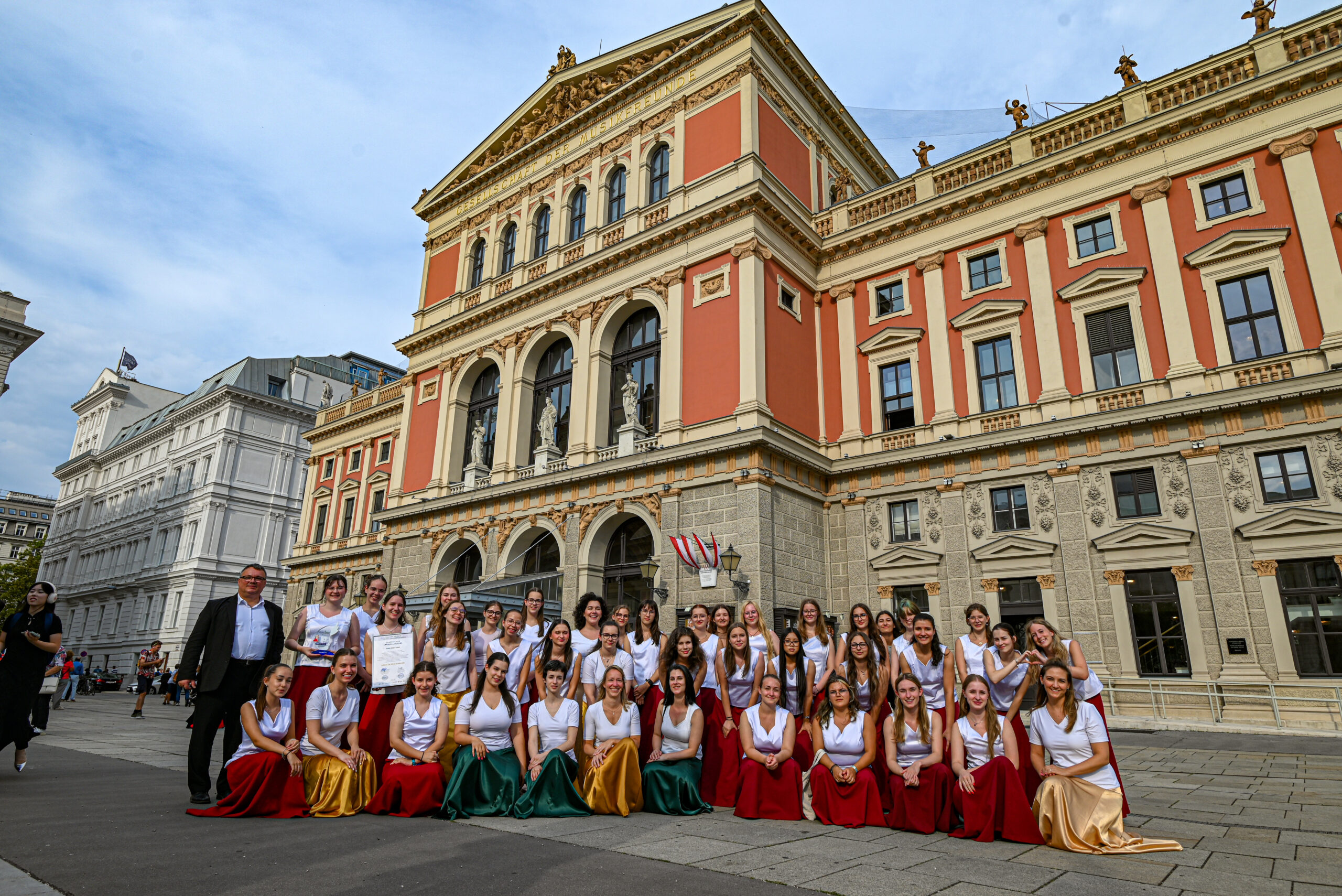
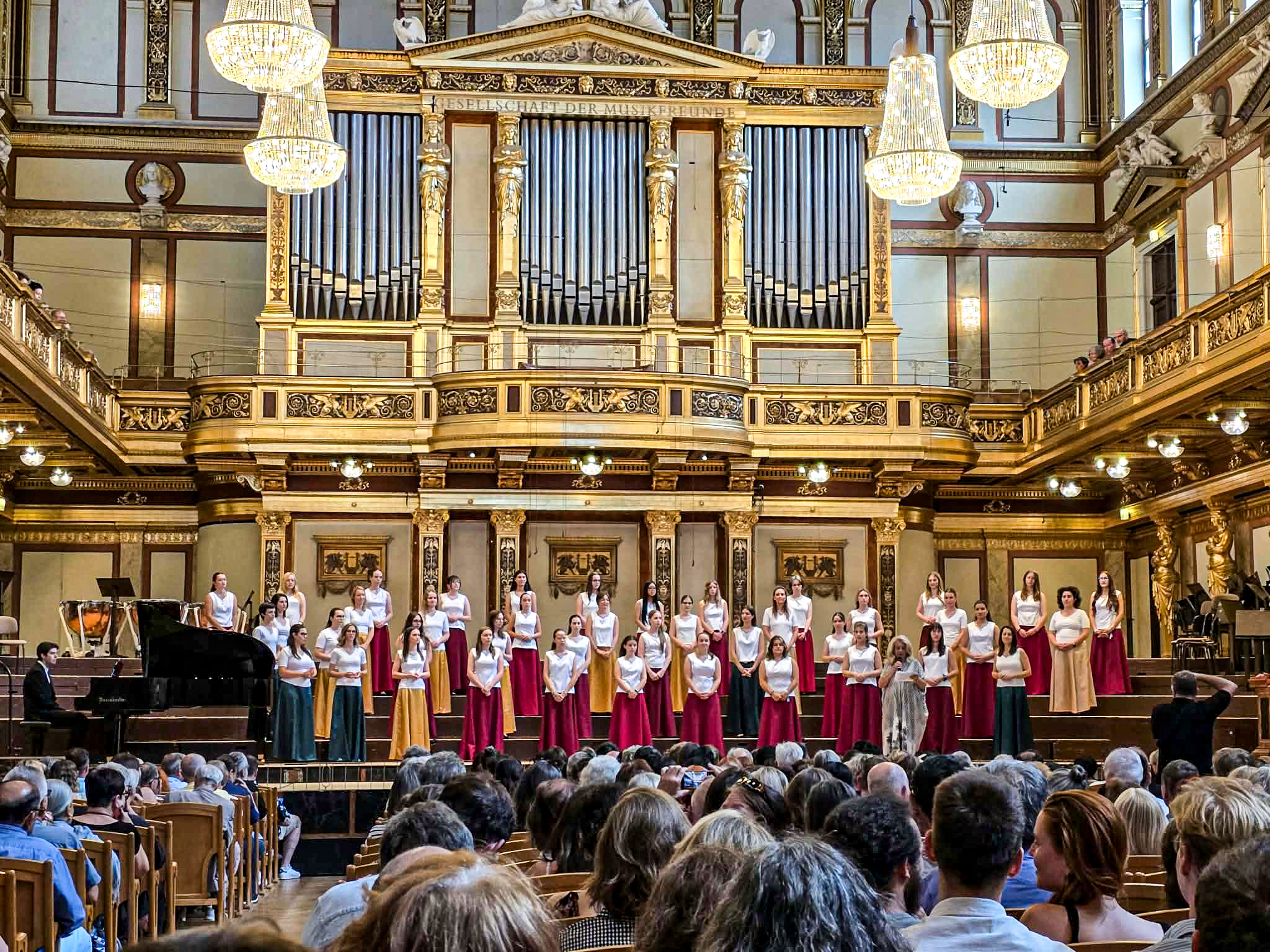
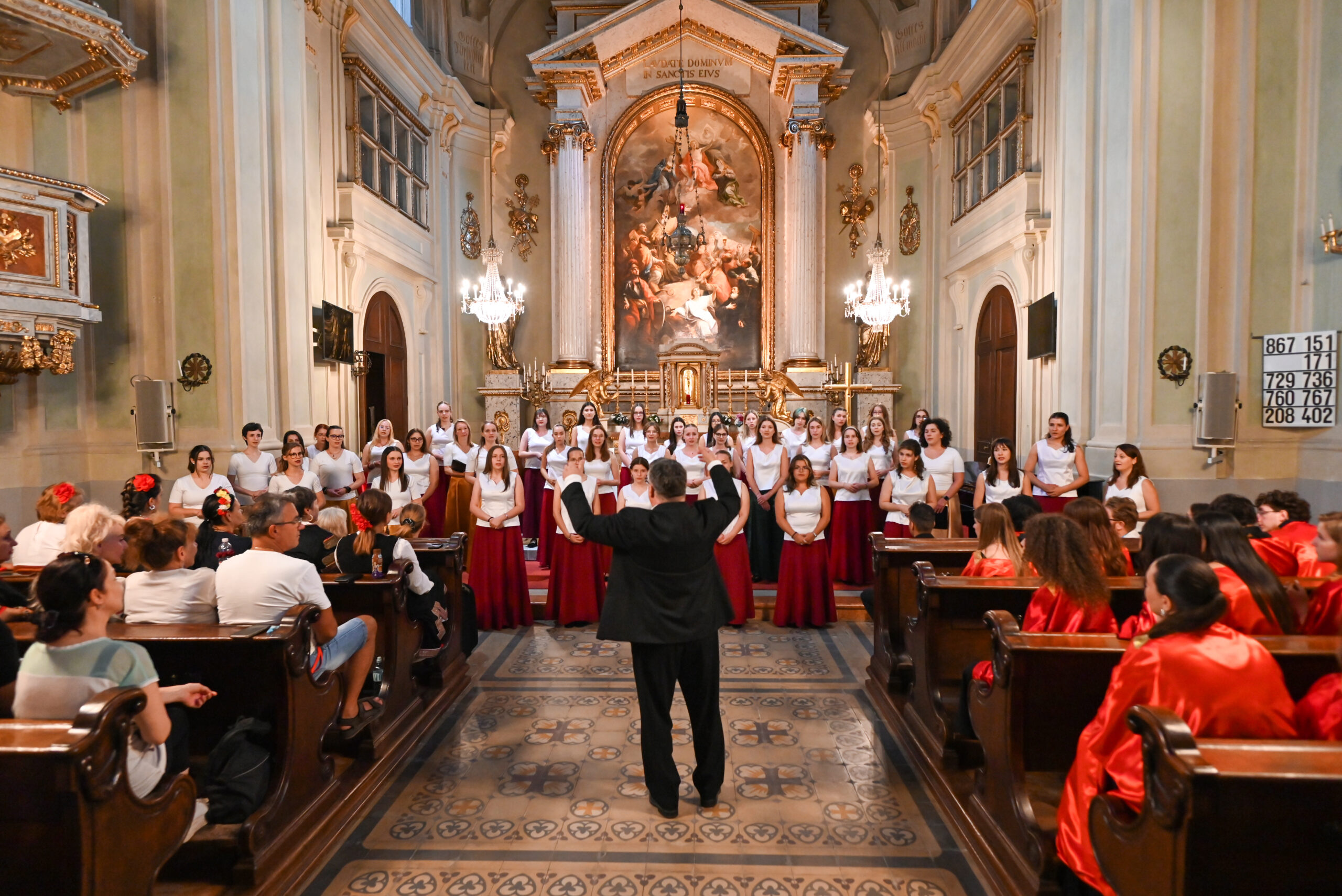
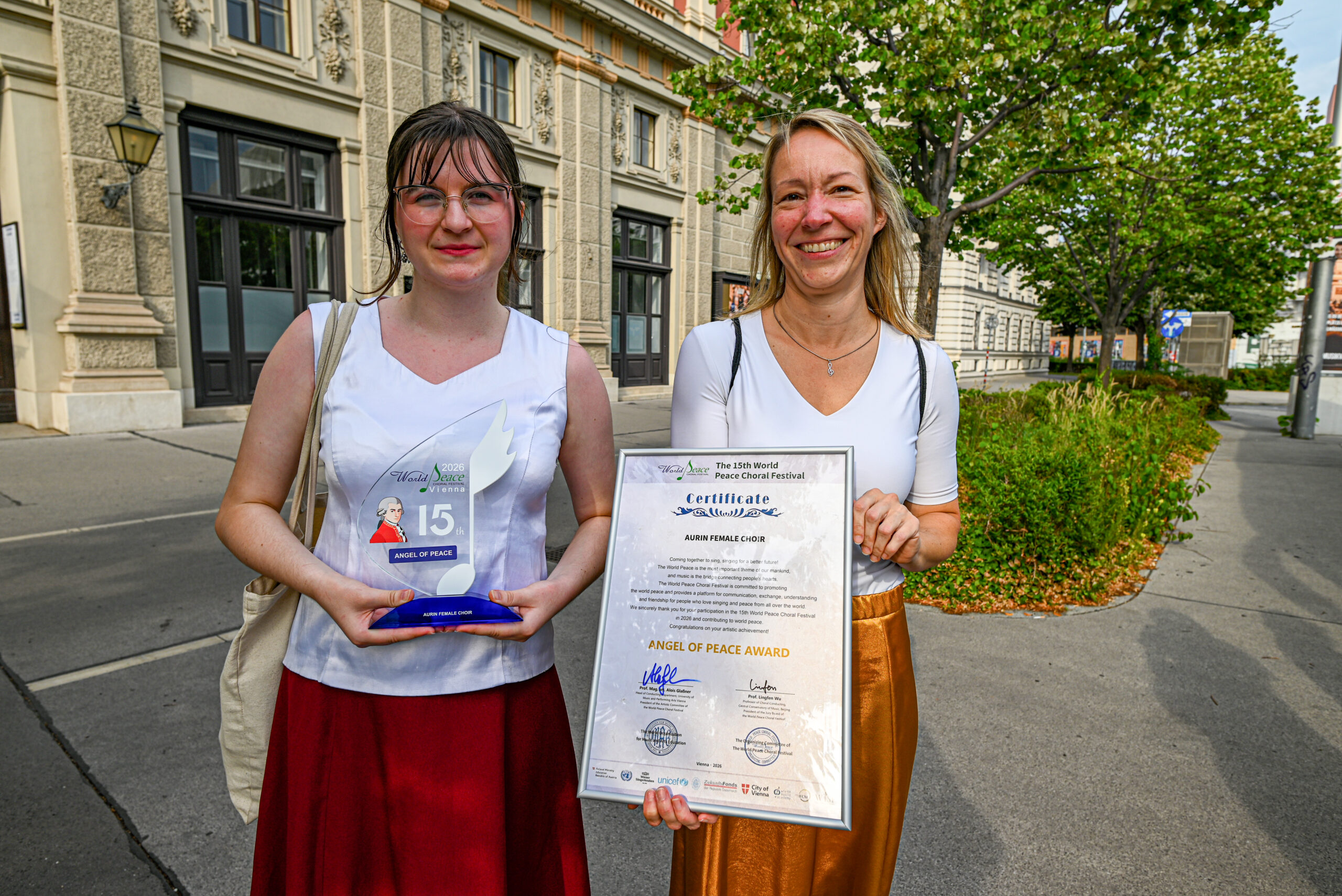
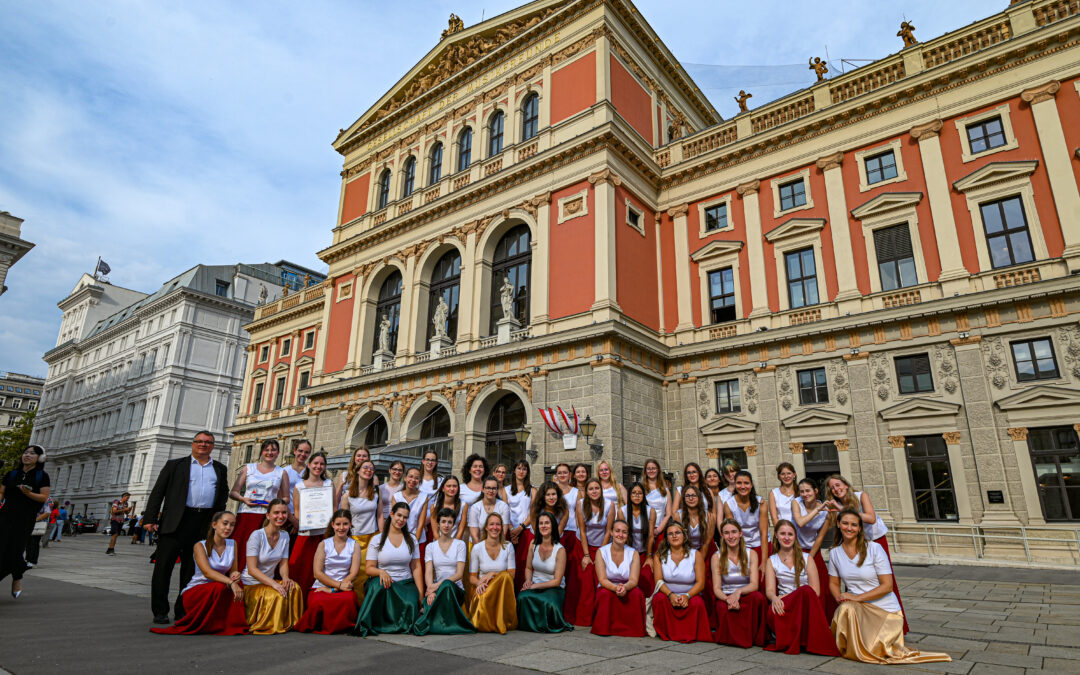
In July 2024, the Aurin Girls’ Choir travelled to Vienna to take part in the World Peace Choral Festival -an experience rich not only in musical achievement, but also in unforgettable moments, inspiring encounters, and lasting memories.
Our journey began with a truly special performance at the opening event of the festival: we had the opportunity to sing in the Vienna headquarters of the United Nations. Despite the modest size of the audience, the building’s unique atmosphere, the international environment, and the symbolic significance of singing for peace in such a venue made it a deeply uplifting experience.

One of the most heartwarming moments was a concert at a Viennese retirement home, where the audience’s warmth and affection deeply moved us. What made the event even more memorable was the presence of the family of our school’s founder, who attended the concert. This meeting held a special place in all our hearts.

We were honoured to perform at the official opening concert of the festival, held in the elegant ceremonial hall of Vienna’s City Hall. And as if that wasn’t enough, we also sang at several of the city’s most iconic venues, including the home of the Vienna Boys’ Choir, Das MuTh Concert Hall, and the legendary Golden Hall of the Musikverein—a dream stage for every musician, and the highlight of our trip.

Beyond the performances, we had time to immerse ourselves in Vienna’s rich cultural heritage. We visited Rohrau, where we saw Joseph Haydn’s birthplace, and took a peaceful walk through the gardens of Schönbrunn Palace. Naturally, we also enjoyed wandering Vienna’s charming streets, squares, and cafés, discovering the magic of the city in our own way.

The journey also brought an unexpected but delightful reunion: we crossed paths with the Italian coordinator of our Ma.Mu Erasmus+ project, reminding us once again just how small the world can be—and how powerfully music can connect people across borders.